
Subscribe to continue reading
Subscribe to get access to the rest of this post and other subscriber-only content.

Welcome / Hallo / Bun venit / Bem-vindo / Szívesen látlak

Subscribe to get access to the rest of this post and other subscriber-only content.

Here is what I learned
Writing is hard! Speaking in public is a nightmare!
Yet it’s something everyone should learn and everyone should do.
That’s all feelings every writer and speaker makes. But it’s doable. I would argue that it’s a life skill—something we never finish learning. So I wrote and gave a speech a week for 13 years. Here is my experience.
Author, psychologist and speaker Jordan Peterson says about writing: “People who spend time writing carefully about themselves become happier, less anxious and depressed and physically healthier. They become more productive, persistent and engaged in life. This is because thinking about where you came from, who you are and where you are going helps you chart a simpler and more rewarding path through life.”
This passage speaks to me and reflects my own experience in so many ways. Yet writing is so hard. It requires so much effort, concentration, energy and thought.
It is hard to know the grammar and write correctly.
It’s hard to express thoughts.
And I often wonder how many people have this habit? Do people do that: Sit and write?
If not, it would be the most critical thing we can start doing right now. How many personal stories, how many insights, how much knowledge and life experience just remain unspoken and unheard. Everyone has a story to tell. And there is something to be learned from each experience. We have the technology to write and, most importantly, make everything searchable. We can capture and organise human knowledge for the next generations. And I think we should. In addition to that, the personal benefits of writing are obvious.
Writing and holding a speech are not the same but very similar. Learning what I wrote and remembering what I put to paper happens through speaking it out loud. Holding and giving a speech is an entirely different beast of a job equally complex. Combining them, in my experience, is helpful.
Of course, not all writing is intended for speech because writing a speech is different from writing for someone who will just read it. But, having to give an address force you to write even when you don’t want. It forces you to finish the script, the speech, the lecture, and the thought that otherwise might not be finished.
Since I started to work as a minister of religion, I had to do both, frequently more than just once a week. I was writing for different publications in different formats. Sometimes more academic, journalistic or reporting about an event. Other times I was writing a thoughtful speech to touch hearts and minds. In my case, this never came to me easily—neither the public speaking part nor the writing.
I remember at school; I was terrible at both. And for a long time, I had a problem with it. Some kind of imposter syndrome. But putting myself into a particular setting gave me the necessary boundary to keep doing it, repeating it and getting better at it. So that is my number one thought of this video:
That’s one of the most important lessons. You will if you have to. Often there is a different pressure involved. It’s very different when I have a deadline and need to write or finish something versus I want to, and it would be nice to write that story. So, if you wish to be better at writing and speaker, say “yes” to opportunities to do so. There are so many ways you could do that. Volunteering is a great way. Volunteer to write an article in your community group, the internal newsletter, or your local publication. And say “yes” to speaking opportunities. Not to show off, network and get something out of it other than simply giving the best speech you can. At a birthday party, wedding or family celebration. How often is there an awkward silence when the question is asked if anyone here would like to say a few words?
Having a deadline is essential too. Writing a speech a week was, for me, a process. It became a habit. That’s the second thought. Make a habit out of writing. In my case, every week. In your case, it could be a weekly newsletter. A weekly video. A weekly meetup. Whatever it is: It has to be regular. Because if it is, we form a process around it.
In make case, at the end of the 13 years, I had a clear structure for the week: Around an hour a day for Two- Three days, read around the topic I was supposed to talk about, making notes and doodles. Another day of more intense research and one day of writing the speech. Rehearsing one day and giving the address the next day. The dream. Of course, sometimes it was not like that. Other commitments made it hard to keep that structure, but I still would aim for it. It was the result of a long learning process I am sharing with you.
During those 13 years, I had all kinds of experiences. I remember once writing and finishing a speech an hour before my speaking engagement. Packing up, rushing out and when I got there, opening my bag, I realised I did not have that speech with me, it was in the printer. Total blockage. Blank slate. What did I write? What did I want to say? I did not rehearse it. I did not read through it a second time, nor did I memorized any of the points. Horrible.
I gave the speech, and it was not good. But an experience like this ends up in a meaningful conclusion. I will never put myself in that situation again. Embarrassing!
Other times, I lost pages or got the order wrong after it fell on the ground. I read quotes I did not understand. Or I did just read and did not hold a speech. I am terrible at grammar. Yet many mistakes can be omitted and jotted out if you carefully read through a few times.
At the end of it, I never felt like I’m done. I am NOT great at writing and speaking. But, for me, it feels somehow just the same. I am still excited when it’s time to hold a speech. I still think the article could be better, or it’s not done, or it has mistakes I did not see or is not good enough.
I could do better.
Frequently I am still not happy with the outcome. But I have a deadline. I have Nr. 1. Set the scene. And I have an Nr. 2 Habit that helps systematically. That’s what I learned from a speech a week for 13 years. Set the scene and build a habit. Make it necessary for you to write and to speak, and that’s how you keep consistent, get better and improve over time.
Check out the Video based on this script:
“Everyone can make it.” “Work hard enough and you will be successful.” “And if you are not successful you did not work hard enough.” That’s how most people think. But this thinking brings forth a problem called the:
This is the tendency of winners to be too proud of their success. To forget the luck and good fortune that helped them on their way. “It’s the conviction of those who land on top that they deserve their fate.” That there is no other reason for their success other than their hard work. This is of course not true. There is always a bit of luck involved and circumstances we have no control over like: time, location, education, parent wealth, physical health etc.
By implication, according to the meritocratic hubris, those on the bottom deserve their fate. It’s solely their wrongdoing and their fault. They did not work hard enough, they did not make it. They deserve it. “The idea that everyone is exposed to a certain kind of fate, by the grace of god or sheer luck makes room for compassion. A perfect meritocracy banishes all sense of gift or grace or luck; it diminishes our capacity to see ourselves as sharing a common fate. And so, it leaves little room for the solidarity that can arise when we reflect on the contingency of our talents and fortunes.” This is what makes merit a kind of tyranny.
Based on the book, the Tyranny of Merit by Michael Sandel, who teaches political studies at Harvard University, we uncover many causes for the current state of democracy. As we are in an election year here in Australia but also because of the challenges to democracy posed by the pandemic and the rise of political partisanship, we need the identify the problem and find achievable solutions. What’s the future of democracies? For Sandel it is a future in which we have:
equality of opportunity in a democracy of humility.
Equality of opportunity you might think is already part of our society. But if you look closer it’s not. Over decades people from different economic backgrounds have less and less common ground. They live in different suburbs, go to different schools and have different cultural, educational and financial possibilities which in turn creates a sense of disconnection. Although free democracy promises equality of opportunity in reality this is less and less true. Children from lower-income families do not have the same opportunity as others who visit elite schools and enjoy private tuition. This hopelessness creates in return frustration and resentment. “Why try when failure is certain?” Recent developments show for example that children in the USA will be worse off than their parents. Just as in Australia most young people can’t afford to buy a house like their parents realistically hope to be able to do.
In human history, there was always a gap between the rich and the poor. The kings and noblemen and the peasants and common folk. But, even that gave room for humility and compassion. Because the rich knew they were born into it and the poor had to live with their fate. In a meritocracy, there is no room for compassion because the poor are poor because of their own fault and the rich can feel entitled because it’s their earned right.
“Seen from below, the hubris of elites is galling. No one likes to be looked down upon. But the meritocratic faith adds insult to injury. The notion that your fate is in your hands – that you can ‘make it if you try’ – is a double-edged sword, inspiring in one way, but discriminatory in another. It congratulates the winners but denigrates the losers – even in their own eyes. For those who can’t find work or make ends meet, it’s hard to escape the demoralizing thought that their failure is their own doing – that they simply lack the talent and drive to succeed. This gives rise to a politics of humiliation.
It combines resentment of the winners with nagging self-doubt. It’s a potent ingredient in the volatile brew of anger and resentment that fuels populist protest.”
To reinvigorate democratic politics, we need to find our way to a morally more robust public discourse; says Sandel. “One that takes seriously the corrosive effect of meritocratic striving on the social bonds that constitute our common life.” “If the common good can be arrived at only by deliberating with our fellow citizens about the purpose and end worthy of our political community, then democracy cannot be indifferent to the character of the common life. It does not require perfect equality but it requires that citizens of different walks of life encounter one another in common places. It leads to a more generous and compassionate society where even those who are not fortunate enough, who do not make it, have a place to live and be heard.
Is that a good solution? Is that a way forward? And if it is, in which political Agenda and which political party do we find this proposition. And if we do not find it how can we influence the next government and politician to devise the necessary policies? What would be the alternative solution?
Source: Tyranny of Merit by Michael J. Sandel
Check out the video linked below for more information about this topic.

Consumerism is bad. Consumerism is “the idea that increasing the consumption of goods and services purchased in the market is always a desirable goal and that a person’s wellbeing and happiness depend fundamentally on obtaining consumer goods and material possessions.”
On the one hand, it’s a driving force of the need for economic growth and, on the other hand, the reason for pollution, waste, and slave workers all around the world. So, why are we not happy with what we have? Or happy with less? Less clothes, less stuff, less shoes, less food, less. If you live in a wealthy country, you live in the one per cent wealthiest societies worldwide and history up to this point, yet, the more we have, the more we seem to want.
I think 1. It has some evolutionary symptoms and reasons. 2. It’s because we are influenced by marketing.
In his book “Humankind” Rutger Bergman writes that we would be willing to do something we would instead do something we know is bad and against our values to belong and be part of the larger group.
That’s a great tip—a bonus one. Seeking friends and surrounding ourselves with people we look up to will help us become better. A statistic says that we are the average of our friends, good and bad.
2. The other reason is the genius of marketing. And in our days, it is, to be very precise, social marketing. Social Marketing is the influence other people have on us and our decision to purchase a product or service. The biggest Brands in the world basically outsource their marketing to online creators. A new kind of job is created and a new kind of marketing is practised: “The casual looking consumer on youtube makes videos about his or her favourite toys.” At least it started like that. Now it’s a job. Creators live from that and if they know it or not behind their well-meant “honest review” lies the ugly truth of social marketing.
In the age of social media and social influencing, this has a deep impact on us personally and as consumers.
On youtube, it’s particularly challenging. Because here we have a mix of sharing our personal lives and business model. Which is basically to be an appealing, nice, interesting, engaging personality that connects with different audiences sharing what companies send them either for free or with some requirements.
That’s why Youtube can be so dishonest. And I say can be, because many YouTubers are aware of this problem and know that the audience sniffs out dishonesty. So there are some checks and balances but are they enough? Is it obvious enough? Is it clear enough that some videos are simply advertisements? From my own experience no. It’s not. And creators try to do the bare minimum required by law or not even that. Even if creators mention that they are sponsored or that the product they review has been sent to them is that enough? I think not for the ultimate goal to influence the audience into being interested or buying that product.
It happens pretty regularly to me. And I am sure it happened to you too. Suddenly I want to buy something. I have this urge. It’s like an itch. I need it. I need it now, and I need it badly. After reviewing for four weeks or even months that particular product, reading articles, and watching Youtube videos, I now made the decision and want it badly. From where does this thought come from? Maybe just out of nowhere. But perhaps this longtime influence I am exposed to by watching Youtube about products, etc., suddenly comes to the surface. I am influenced. Even the whole setup of having different cameras, laptops, and phones like YouTubers do, is because they are working with those products seems to be expected.
It’s too late. I want it. And I want it bad. And I want it now. “If you don’t have it in stock, I would rather drive to a shop 20 km down the road. That’s how bad I want it.”
Now, by all means, I wish all Youtube Creators all the best in finding good sponsors and products they believe to market for them, but I also highlight the problem and the challenge with it.
What is the future of marketing and advertisement? Will all human interactions become some sort of influence? Will every conversation, every discussion, every interaction be some sort of transaction of intangible value or influence towards a sales pitch?
Interested in the Youtube Video version of this article explore press the link below.
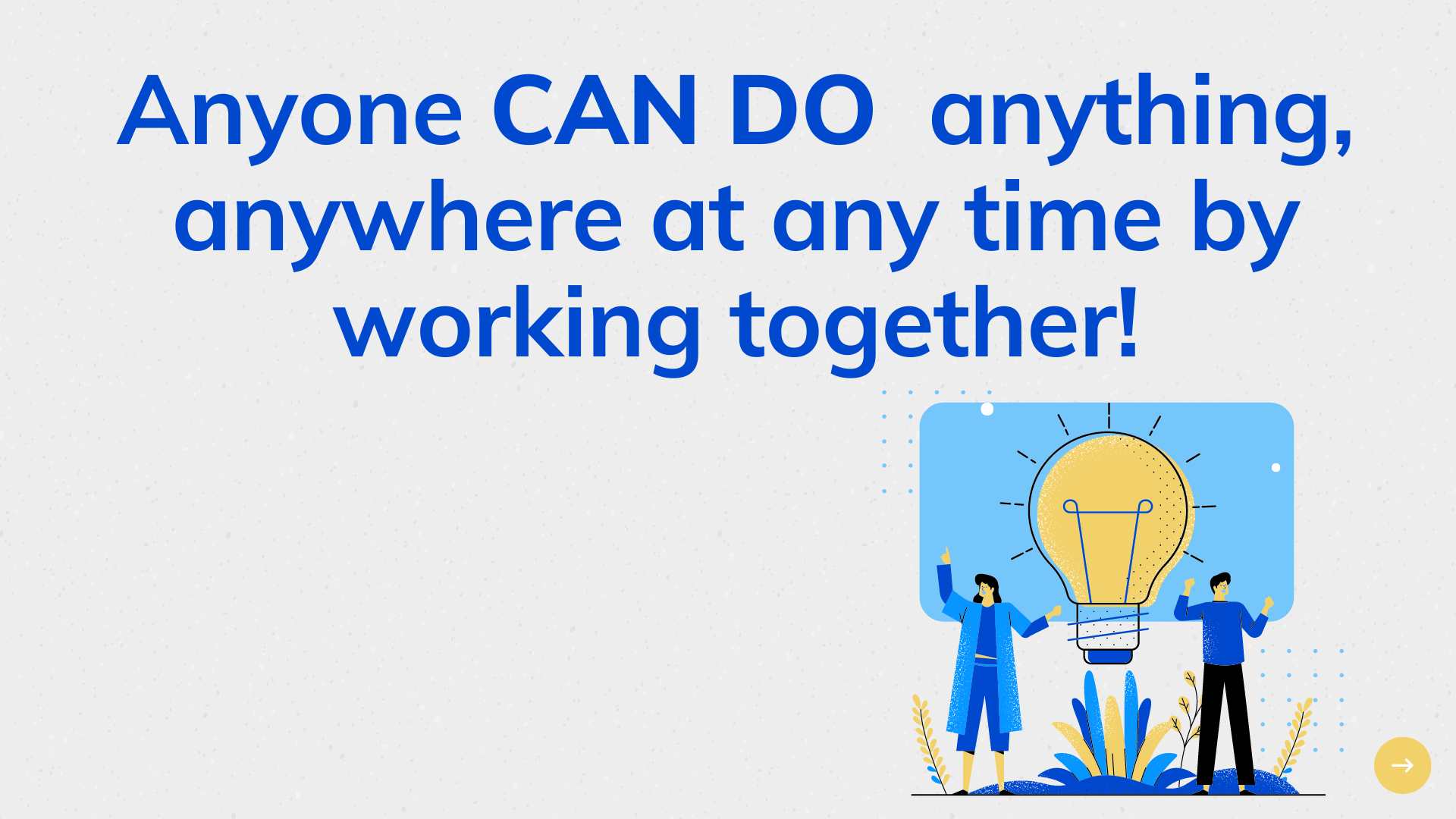
This is a mindset and a motivation that there is always something we CAN DO.
There are so many motivational books and articles, youtube videos and podcasts the list is endless. I know it because I have been there and I heard them and talked about them. Of course, we always learn something or take something away from them. That’s perhaps my first encouragement for you. Keep reading, keep listening and keep watching and keep learning.

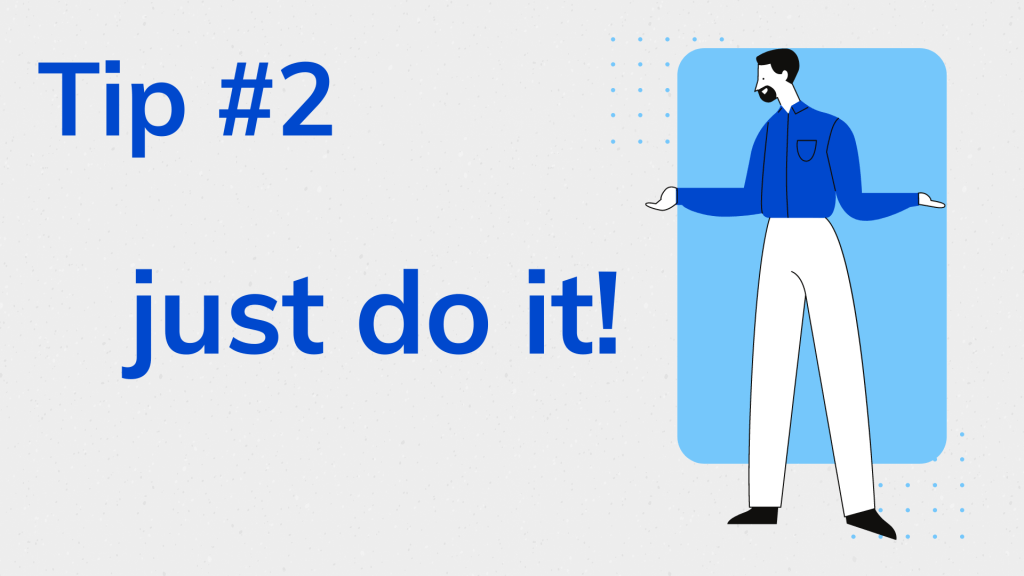
My second Tip, just do it! Nike and Shia LaBeouf are right. An attitude of CAN is what I want to teach my children, what I wish for me to think and feel when I start a new project and what I hope you are feeling too. CAN DO is an empowerment and a confession we make. It is an attitude. Standing back, waiting for the right moment will not help. Waiting for others to do the first step or to give you some kind of encouragement will not take away the fear, the stress you feel and the necessity to do the first step.

Maybe you do not feel motivated, if so, what you should do is DO something. Mark Mason encourages in his book by stating that motivation is often the wrong place to starting. Starting with the doing part will almost immediately make room for inspiration and motivation.
James Clear encourages to introduce healthy habits which will be your framework. This is the space where the CAN DO attitude will be trained and will occur not by chance, not by mood or motivation but by a carefully designed schedule of good habits that produce big things and have a compounding effect.
How do you build a rocket? Write a book? Run a government? We would do it by ensuring that every piece fits in. That one page is written at a time and that laws and policies and elections lay a good foundation for the system to work. It is by the small steps that big things are accomplished.
CAN DO affirms that there is always something we can do. In 12. Rules for Life Peterson formulates this attitude in different Rules throughout his book. There is still something we can do and something where we can start not the least in our room or house or life in general. There are more than a dozen things everyone could count that could be done right now and that would have a positive impact and make a positive change in our situation.
Do you want to feel better? Clean the bathroom. Do you want to look better and be healthier? Go on a five-minute walk. Want to solve something that’s bothering you? Pay a bill. Want to feel optimistic? Have a hair cut. Want to do something good for someone else? Call a family member. Can do is just realising that there is so much potential.

We have to start small enough, and we have to do it regularly enough. Life is not about some kind of big destination; you will arrive at the end of your journey. Life is about now and about the way rather than the destination. Of course, on this journey, there will be and should be a destination we would like to reach. Have children or travel somewhere (when it’s possible again #2020) learn a new skill etc. But oftentimes many of us struggle to find destinations. To express what we want is hard. It is difficult to see and find purpose. Or can you describe where you would like to be in 10 years? What about 20 or 30 years? That’s hard. If you can do that, share with me, with us how you were able to find your vision?
What we tend to forget when dreaming about our glorious future is that the end is for sure, pretty sure, holding a lot of suffering. We would like to pass some stations. “NO thank you”. But they will come. Parents will eventually die. The disease will strike. Perhaps an accident? We have to be prepared for that kind of future too. First, we should be grateful every day. Every single day is essential, and none should be wasted because
“And in the end, it’s not the years in your life that count; it’s the life in your years. ”Abraham Lincoln
Sometimes we do too much. We work on to much stuff that is not important and just distracts us from what is essential. Sometimes its more important to shift the focus or to stop and listen, search, wait, meditate or pray, journal or talk. All good ways to find the right perspective.
Anyone can do means that you have an essential role to play and that you CAN take on this role. Doing is being active. Is living. This should also remind you that sitting around in front of your screen, wasting time with unnecessary things or procrastinating is not the right thing you could and should do. Remember, you can. You should. You will. Because:
Anyone can do anything at any time and from anywhere by working together with others.

Es gibt so viele Motivationsbücher und Artikel, Youtube-Videos und Podcasts, die Liste ist endlos. Es gibt eine ganze Industrie die uns da helfen will. Natürlich lernen wir immer etwas aus diesen Informationsquellen auch wenn etwas ist worüber wir nur den Kopf schütteln. Das ist vielleicht meine erste Ermutigung für dich. Ruhig weiter lesen. Höre und schaue dir Podcasts und Youtube Videos an und lies weiter Bücher zu diesem Thema. Mein erster Tipp: alles was dir Spass macht und du es dir gerne anhörst oder ansiehst soll dir weiter als Quelle dienen. Höre alles und prüfe alles und hoffentlich behältst du daraus alles was gut ist.
Mein zweiter Tipp: mach es einfach! Nike und Shia LaBeouf haben recht. Eine Haltung des KÖNNENS – CAN ist das, was ich meinen Kindern beibringen möchte und was ich denken und fühlen möchte, wenn ich ein neues Projekt beginne, an meine Arbeit denke oder allgemein an das was Leben bedeutet. CAN DO ist eine Ermächtigung und ein Bekenntnis. Es ist eine Haltung. Zurücklehnen und auf den richtigen Moment warten wird nicht helfen. Die Angst und den Stress vor dem ersten Schritt wird niemand nehmen können. Du kannst nicht darauf warten dass jemand den ersten Schritt macht du musst ihn tun.
Vielleicht liegt es an der Motivation. Viele Menschen sagen: Mir fehlt die Motivation. Wenn das der Fall ist dann, so Mark Manson, musst du erst recht den ersten Schritt tun. Motivation ist oft der falsche Ausgangspunkt. Wenn du mit dem Doing-Teil beginnst, wird sofort Raum für Inspiration geschaffen. Motivation erwächst durch das Tun. Fang zunächst einmal an. Setze dein Ziel niedrig genug an so das du es auch erreichst.

James Clear ermutigt, gesunde Gewohnheiten zu schaffen, die dir einen Rahmen und ein Fundament geben. Dies ist der Bereich, in dem die CAN DO-Einstellung trainiet wird und nicht zufällig, nicht durch Stimmung oder Motivation, sondern durch einen sorgfältig ausgearbeiteten Zeitplan guter Gewohnheiten verbessert wird. In seinem Buch “Atomic Habits” ermutigt Clear uns ein System von Gewohnheiten (Habits) zu schaffen die es uns dann ermöglichen unsere Ziele zu erreichen.

Wie baut man ein Auto? Oder wie schreibt man ein Buch? Oder wird ein Land regiert? Wir erreichen die größten Ziele, indem wir sicherstellen, dass jedes Stückchen jeder Schritt, jede Seite in den großen Rahmen passt. Durch die kleinen Schritte wird das Große erreicht. Deshalb helfen kleine Gewohnheite große Ziele zu erreichen.
CAN DO bestätigt, dass wir immer etwas tun können. In 12. Regeln für das Leben formuliert Peterson diese Haltung in verschiedenen Regeln seines Buches. Es gibt noch etwas, was wir tun können und wo wir nicht zuletzt in unserem Zimmer, Haus oder Leben im Allgemeinen anfangen können. Es gibt mehr als ein dutzend Dinge, die jeder aufzählen könnte, die jetzt getan werden könnten, die sich positiv auswirken und unsere Situation positiv verändern würden.

Willst du dich besser fühlen, reinige dein Badezimmer. Willst du besser aussehen und gesünder leben? Mach einen fünfminütigen Spaziergang. Möchtest du etwas lösen was dich schon seit Tagen quält? Zahl eine Rechnung und hack sie ab von deiner ToDo- Liste. Willst du etwas Gutes für jemand anderen tun? Ruf ein Familienmitglied an.
CAD DO ist eine Erinnerung an die vielen Möglichkeiten die es gibt etwas zu tun um unsere eigene Situation ein kleines Stück besser verbessern. Und wenn wir das konsequent und Schritt für Schritt tun entsteht etwas ganz Großes.
Wir müssen klein genug anfangen und wir müssen es regelmäßig tun. Im Leben geht es nicht um ein großes Ziel an dem du am Ende deiner Reise ankommen wirst. Das Leben dreht sich eher um das Jetzt und um den Weg als Ziel. Natürlich wird und sollte es auf dieser Reise einige Ziele geben die du erreichen möchten. Kinder und Familie? Oder Reisen? (wenn es wieder möglich ist # 2020). Eine neue Fähigkeit lernen? Du fühlst dich Ziel- und Sinnlos? Das geht nicht nur dir so! Oder kannst beschreiben, wo du gerne in 10 Jahren sein möchten? Was ist in 20 oder 30 Jahren? Sehr schwer. Wenn du es kannst, teile es mit uns, wie hast du deine Ziele gefunden?
Was wir oft vergessen, wenn wir von unserer glorreichen Zukunft träumen, ist, dass die Zukunft mit ziemlicher Sicherheit einige Schwierigkeiten mit sich bringt. Stationen die wir am liebsten verpassen würden. Nein danke! Aber sie werden kommen. Die Eltern werden irgendwann sterben. Die Krankheit wird zuschlagen. Vielleicht ein Unfall? Auch auf diese Zukunft müssen wir vorbereitet sein. Deshalb sollten wir erstens, jeden Tag dankbar sein. Jeder einzelne Tag ist wichtig, und keiner sollte verschwendet werden, denn
„Am Ende zählen nicht die Jahre in Ihrem Leben; sondern das Leben in Ihren Jahren. Abraham Lincoln
Manchmal machen wir zu viel. Wir arbeiten an vielen Dingen, die nicht wichtig sind und die uns nur von dem ablenken, was wichtig ist. Manchmal ist es wichtiger, den Fokus zu verschieben oder ganz stehen zu bleiben und zuzuhören, zu suchen, zu warten, zu meditieren oder zu beten, Tagebuch zu führen oder zu sprechen. Das sind alles gute Wege, um die richtige Perspektive zu finden.
CAN DO bedeutet, dass du eine wesentliche Rolle zu spiele hast und das du diese auch spielen kannst. Tun ist aktiv. Es beudetet Leben. Dies sollte dich auch daran erinnern, dass vor deinem Bildschirm herumsitzen, deine Zeit mit unnötigen Dingen zu verschwenden nicht das Richtige ist, und nicht das was du tun könntest und tun solltest. Du kannst. Du solltest. Du wirst. Denn:
Jeder kann jederzeit und von überall aus alles tun, indem er mit anderen zusammenarbeitet.

Let us analyse this Moto.
In the next couple of weeks, we are going to take a close look at this Motto. Every word stands for an idea and thought. And because anyone can make a difference by working together with others.
Let’s start today with the first one:
Anyone
Pronoun (Definitionen von Oxford Languages)
“Any person or people.”
Anyone means you and me. It means everyone.

It is a great word which implies all people. People from different ages, location, culture or background, anyone means anybody. And that means you and I are accountable for the actions that will inspire change.
It means not someone. Someone always excludes you and me.
Someone is
someone else
someone important
someone with a lot of experience
someone who has a degree
someone elected or voted in
someone with knowledge
Anyone is in this context, opposite of someone.
It is you, and it is me: your friend or your spouse, your brother or sister may be your neighbour. Ordinary People, anyone means anybody.
This a powerful reminder that intrinsically every person is unique and essential to change the world. This thought of uniqueness comes from a long and vital tradition and development of thought. For centuries this was not the case. Indeed, this is in some corners of our world today still the same. Undoubtedly every human is important, and every human life is unique. You can think about this from at least three perspectives 1. anthropologically or 2. philosophically or 3. religiously.
Anthropologically from a Darwinian evolutionary perspective, of course, you are unique, and you have the privilege to live at this time in history despite all odds being against your existence. In other words, the chance and the probability for you to come into existence, particularly at this time in the history of the universe is ridiculously small. You are nothing in the vastness of the universe and the billions of years since it came to existence. And your life means nothing among trillions of stars.

Today you are living in a time when the majority of the newborns won’t die because of a disease. They live. And the probability of growing up and be a healthy human is higher than for any other human in history. That’s why you are incredibly lucky, incredibly unique, precious and wonderful. In this perspective and context, you should see every human life and yourself as an evolutionary success story. A miracle of evolutions. And not only that. Your time is limited. Whatever comes after you die, this will be over. Certainly, sooner than you think. Perhaps tomorrow. If not tomorrow then you can count yourself to the luckiest human that ever roamed the universe, you have another day.
You also can think about the philosophical aspects of the religious. Many religions explain a human life through a specific world or cosmic view, which usually implies a deity or transcendency. Perhaps you are someone who believes in reincarnation and that you will reincarnate after you die. Maybe you are someone who thinks and feels you will enter a different state of being because death is just part of the simple circle of life. Perhaps you come, like me, from a Christian tradition.
In this tradition, the Bible describes in its first chapters a vital worldview. Although commonly mistaken with a historical story-telling about the evolution of life, it has much greater importance describing a worldview that gives meaning to life, to the world and you. In simple terms, it says everyone is created in God’s image. This means you are precious, and you have something of the Divine in you. You are unique, says another passage of the Bible. It says God knows you personally by your name. You are you and not just a member of the species homo sapiens but a unique important Being.

We could mention many more views and explanation about how anyone is and what importance human life has or how Christianity or even other religions describe this importance, but we stop here and ask:
What do we do knowing this? How do we act in the world? How do you see yourself when you wake up in the morning and wash your face and have a good look in the mirror? Do you see the unique being you are? Do you see yourself as someone who has an important, even better, an essential and unique role to play this world right now and right where you are? Perhaps you have to play this role in the lives of the people. Do you see yourself as this Divine being uniquely equipped to live and to leave its positive mark on our world in the lives of those people we encounter? But what’s your meaning? Perhaps the most challenging questions of all because indeed first, we discover that there is no meaning.
Indeed you have to determine your meaning and purpose. Everyone has to discover this meaning and discover it for themselves. If you don’t, someone will. Society and our economy are eager to do so because their purpose of existence is you. You are the customer, and it wants to make you happy and money at the same time. The short version of our society’s vision is that our greatest aim should be happiness. And this can be sold to you. But you know that the things we buy don’t make us happy. You understand that a big part of life is suffering no matter how comfortable we make it.

It’s the suffering growing up. The anguish of loneliness. It’s the suffering because of pain and because of the pain of loss. Being happy despite all this – that’s the challenge. Perhaps meaning comes differently. It comes by doing something. It’s not a state of being but a form of action with a pause to celebrate that action. Meaning comes perhaps from doing something from taking on responsibility, maybe even just a little bit more than we can shoulder, which will give us enough motivation but not overwhelm us completely. Meaning and happiness come from working together with others. But more on this in the next few weeks.
Anyone can do anything at any time from anywhere by working together with others. Anyone includes you without any special abilities or knowledge. You, with your faults and bad habits and wrongdoings and disappointments. You have an essential role to play, and this sentence wants to remind you and me about this vital role. The role anyone can assume and do anything at any time from anywhere by working together with others.
Perhaps you take some time after reading this, or you come back later and think about:
Where are you? What do you go through? What’s right what’s bad what’s difficult? Could you write it down? Remember: Who are you? Why should you be proud of yourself and loved? Is there anyone you can have a positive influence? Is there a person for whom you could do something that would positively influence their life? Could you do it? It’s not someone’s responsibility. It is anyone’s and that includes you.
Thanks for reading if you like, leave a comment or share your thoughts or comments.

Dieses Motte wollte ich so allgemein wie möglich fassen und habe mich für diese Wortwahl entschieden obwohl wortwörtlich folgende Übersetzung auch passen würden:
Jeder kann jederzeit und von jedem Ort aus alles tun, indem er zusammenarbeitet.
Lass uns Motto gemeinsam analysieren. In den nächsten Wochen möchte ich dich einladen, diesen ganzen Satz genauer zu betrachten, denn jedes Wort steht für eine Idee und einen Gedanken.
Beginnen wir heute mit dem ersten:
Jeder bzw. Alle
Deutsch kann dieses Wort mit unterschiedlichen Ausdrücken übersetzt werden:
UMGANGSSPRACHLICH
Wenn wir alle oder jemand verwenden, bedeutet das eben jede Person. Alle Menschen.
Jeder meint dich und mich. Ich denke, es ist ein großartiges Wort, das alle Menschen impliziert. Das bedeutet, dass du und ich in diesem Satz enthalten sind. Es bedeutet, dass es nicht jemand ist, also jemand anderes. Wenn es um jemanden geht dann gehören wir nicht dazu. Wir sind ausgeschlossen wenn jemand etwas tun soll.
Jemand ist
jemand anderes
jemand der wichtig ist
jemand mit viel Erfahrung
jemand der einen Abschluss hat
jemand der gewählt oder erwählt wurde
jemandem mit Wissen
Jemand ist in diesem Zusammenhang das Gegenteil von Allen.
Aber ich meine uns, dich und mich und alle Menschen. Deinen Freund oder deinen Ehepartner, deinen Bruder oder deine Schwester vielleicht deinen Nachbar. Gewöhnliche Menschen, jeder meint jeden.

Dieses Motto ist eine starke Erinnerung daran, dass jeder Mensch eine wichtige Rolle in dieser Welt spielt und einzigartig ist. Dieser Gedanke der Einzigartigkeit entspringt einer langen und wichtigen Denk- Tradition und Entwicklung. In der Menschheitsgeschichte war das lange nicht so. Und vielleicht ist dies in einigen Ecken unserer Welt heute leider immer noch Alltag. Aber jeder Mensch ist wichtig und jedes menschliche Leben ist einzigartig. Sie können aus mindestens drei Perspektiven darüber nachdenken: 1. anthropologisch oder 2. philosophisch oder 3. religiös
Anthropologisch aus darwinistischer evolutionärer Perspektive. Natürlich sind du einzigartig und haben das Privileg, trotz Allem genau zu diesem Zeitpunkt in der Geschichte leben. Die Chance und die Wahrscheinlichkeit, dass du gerade in dieser Zeit in der Geschichte des Universums lebst, ist lächerlich gering und ein Wunder. Ein Wunder ist es, dass es dich gibt.

Du bist nichts in der Weite des Universums und den millionen von Jahren. Dein Leben bedeutet nichts unter billionen von Sternen und egal was du in deinem Leben tust es wird kaum einen Einfluss auf die weitere Entwicklung der Milchstraße haben, so wichtig ist noch niemand. Aber du bist hier. Du lebst. Und die Wahrscheinlichkeit, erwachsen und alt zu werden und ein gesunder Mensch zu sein, ist höher als bei jedem anderen Menschen in der Geschichte zuvor. Deshalb kannst du dich glücklich schätzen, unglaublich einzigartig, kostbar und wunderbar bist du. In dieser Perspektive und in diesem Kontext solltest du jedes menschliche Leben und dich selbst als eine Erfolgsgeschichte der Evolution sehen. Ein Wunder der Entwicklungen. Und nicht nur das.
Deine Zeit ist begrenzt. Was auch immer kommt, nachdem du gestorben bist, das was jetzt ist wird vorbei sein. Früher als du denkst! Vielleicht schon morgen. Wenn nicht morgen, dann kannst du dich schon wieder zu den glücklichen Menschen zählen denn morgen werden ganz viele Menschen und Lebewesen sterben und wieder den Kreislauf von Leben und Tod schließen.
Wir könnten auch über die philosophischen oder religiösen Aspekte nachdenken. Viele Religionen haben eine Vorstellung über das menschliche Leben, das sie jeweils in einer bestimmten Welt oder einer kosmischen Sichtweise erklären und meistens eine Gottheit oder Transzendenz impliziert. Vielleicht bist du jemand, der glaubt, dass du wiedergeboren wurdest und dass du nach deinem Tod wiedergeboren wirst. Vielleicht bist du jemand, der denkt und glaubt, dass du in einen anderen Seinszustand eintreten wirst, weil der Tod der einfache Kreislauf des Lebens ist und ein Übergang zu etwas Neuem. Vielleicht kommst du, wie ich, aus einer christlichen Tradition.
In dieser Tradition beschreibt die Bibel in ihren ersten Kapiteln eine wichtige Weltanschauung. Obwohl es häufig mit einer historischen Geschichten Erzählen über die Entwicklung des Lebens verwechselt wird, ist es viel mehr eine Weltanschauung die dem Leben, der Welt und dir, Sinn gibt. Im Vergleich zur Wissenschaft spricht der Glaube hauptsächlich vom Warum und nicht vom Wie.

Am Anfang, wird Alles geschaffen und am Ende entsteht der Mensch nach Gottes Bild. Dies bedeutet, dass der Mensch kostbar ist und etwas vom Göttlichen in sich trägt. Du bist einzigartig, sagt eine andere Stelle der Bibel. Es heißt, Gott kennt dich persönlich unter deinem Namen. Du das meint dich, die Person, die diese Zeilen liest. Du bist du und nicht nur ein Mitglied der Art Homo Sapiens, sondern ein einzigartiges Lebewesen das noch nie vorher da war und auch nie wieder genauso wieder existieren wird.
Wir könnten noch viele weitere Ansichten und Erklärungen erwähnen darüber welche Bedeutung das menschliche Leben hat, aber wir bleiben hier stehen und fragen:
Was tun wir, wenn wir das wissen? Wie verhalten wir uns in der Welt? Wie siehst du dich, wenn du morgens aufwachst und dein Gesicht wäschst und einen guten Blick in den Spiegel wirfst? Siehst du dort das besondere Wesen, welches du bist? Siehst du dich als jemand, der eine wichtige, noch bessere, wichtige und einzigartige Rolle spielt in dieser Welt, jetzt und genau dort wo du gerade bist? Vielleicht musst diese Rolle im Leben der Menschen spielen, mit denen du lebst. Siehst du dich als dieses göttliche Wesen, das einzigartig gerüstet ist, um zu leben und seine positiven Spuren in unserer Welt und im Leben der Menschen zu hinterlassen, denen es begegnet?
Aber was ist der Sinn des Ganzen? Vielleicht die schwierigsten Fragen von allen, denn sicherlich entdecken wir zuerst, dass es keinen Sinn gibt.Jeder muss diesen Sinn suchen und für sich entdecken als göttlichen Plan oder eigenen Weg. Wenn du es nicht tust, wird es jemand anderes für dich tun. Die Gesellschaft und unsere Wirtschaft sind bestrebt, dies zu tun, weil sie, dich als Kunden, den Sinn Ihrer Existenz, sehen und sie dich zum passend Preis glücklich machen wollen. Die Kurzfassung unserer Gesellschaft- Vision kam zu einer kurzen Beschreibung: unser größtes Ziel ist das Glück. Und das kann man dir verkaufen. Aber du weisst, dass Glück nicht zu kaufen ist. Du weisst, dass ein großer Teil des Lebens Leid bedeutet. Sein bedeutet leiden.

Leiden wenn wir aufwachen. Und Leiden, wenn wir unserer eigene Einsamkeit bewusst werden. Leben bedeutet leidet unter Schmerzen und unter dem Schmerz des Verlustes. Trotz alledem glücklich zu sein, ist die Herausforderung. Vielleicht finden wir Sinn anders. Sinn entsteht im Tun. Es ist kein Seinszustand, sondern ein Handlungszustand mit einer Pause, um diese Handlung zu feiern. Sinn kommt vielleicht davon, etwas zu tun, indem man Verantwortung übernimmt, vielleicht sogar ein bisschen mehr, als wir schultern können, was uns genug Motivation gibt, uns aber nicht vollständig überwältigt. Sinn und Glück entstehen durch die Zusammenarbeit mit anderen. Aber mehr dazu in den nächsten Wochen.
Jeder kann jederzeit und überall etwas tun, indem er mit anderen zusammenarbeitet. Jeder schließt dich auch ohne besonderen Fähigkeiten oder Kenntnisse ein. Dich, mit deinen Fehlern und schlechten Gewohnheiten und Fehlverhalten und Enttäuschungen. Du hast eine eine wichtige Rolle zu spielen und dieser Satz möchte dich und mich an diese wichtige Rolle erinnern. Die Rolle, die Alle zu jederzeit und von jedem Ort aus übernehmen können, indem sie mit anderen zusammenarbeiten.
Vielleicht nimmst du dir etwas Zeit, nachdem Sie dies gelesen haben,oder du kommst später zurück und denkst über folgendes nach:
Wo bist du gerade in deinem Leben? Was machst du durch? Was ist gut, was ist schlecht, was ist schwierig? Schreib es auf. Denk daran: Wer bist du? Warum solltest du stolz auf warum fühlst du dich geliebt? Gibt es jemanden, auf den du einen Positiv Einfluss haben kannst oder etwas Gutes tun kannst? Gibt es eine Person, für die du etwas tun könntest das sein Leben positiv beeinflusst? Tu es. Es liegt nicht in der Verantwortung von jemandem. Es ist jeder und das schließt dich ein.
Vielen Dank fürs Lesen, wenn Sie möchten, hinterlassen Sie einen Kommentar oder teilen Sie Ihre Gedanken für Feedback bin ich Dankbar.
Peterson, Bergman, Harari
Quellen
 Peter Demuth