Die Magie der besonderen Verbindungen

Einen besonderen Draht haben

Gibt es Menschen auf dieser groรŸen, weiten Welt, die einen besonderen Draht zu uns haben? So etwas wie Soulmates, Seelenverwandte? Ich glaube ja. Und du?

Entgegen der romantischen Annahme, es gebe nur einen einzigen Seelenverwandten, bin ich รผberzeugt: Es sind mehrere.

In den letzten Jahren habe ich auf verschiedenen Kontinenten gelebt und gearbeitet. Und immer wieder โ€“ selten, aber regelmรครŸig โ€“ ist es passiert: Ich treffe jemanden, und ohne rationale Erklรคrung passt einfach alles. Wir schwingen auf derselben Frequenz, sprechen dieselbe Sprache โ€“ oft ohne Worte. Wir lachen an der falschen Stelle und finden genau das witzig. Wir tun Dinge, die anderen seltsam erscheinen, uns aber vรถllig normal vorkommen. Wir teilen Werte, ohne sie jemals abgesprochen zu haben.

Doch das Faszinierende ist: Wir sind nicht gleich. Ganz im Gegenteil. Wir sind uns fremd genug, um uns herauszufordern, neugierig zu machen, wachsen zu lassen. Wir erweitern einander die Horizonte. Diese Verbindung ist irrational โ€“ fast verrรผckt.

Yuval Noah Harari wรผrde jetzt vermutlich sagen: โ€žDas ist nichts Mystisches, sondern ein evolutionรคrer Zufall. Eine komplexe neuronale Interaktion verstรคrkt durch geteilte soziale Prรคgungen.โ€œ Mรถglich. Und doch fรผhlt es sich an wie mehr als das.

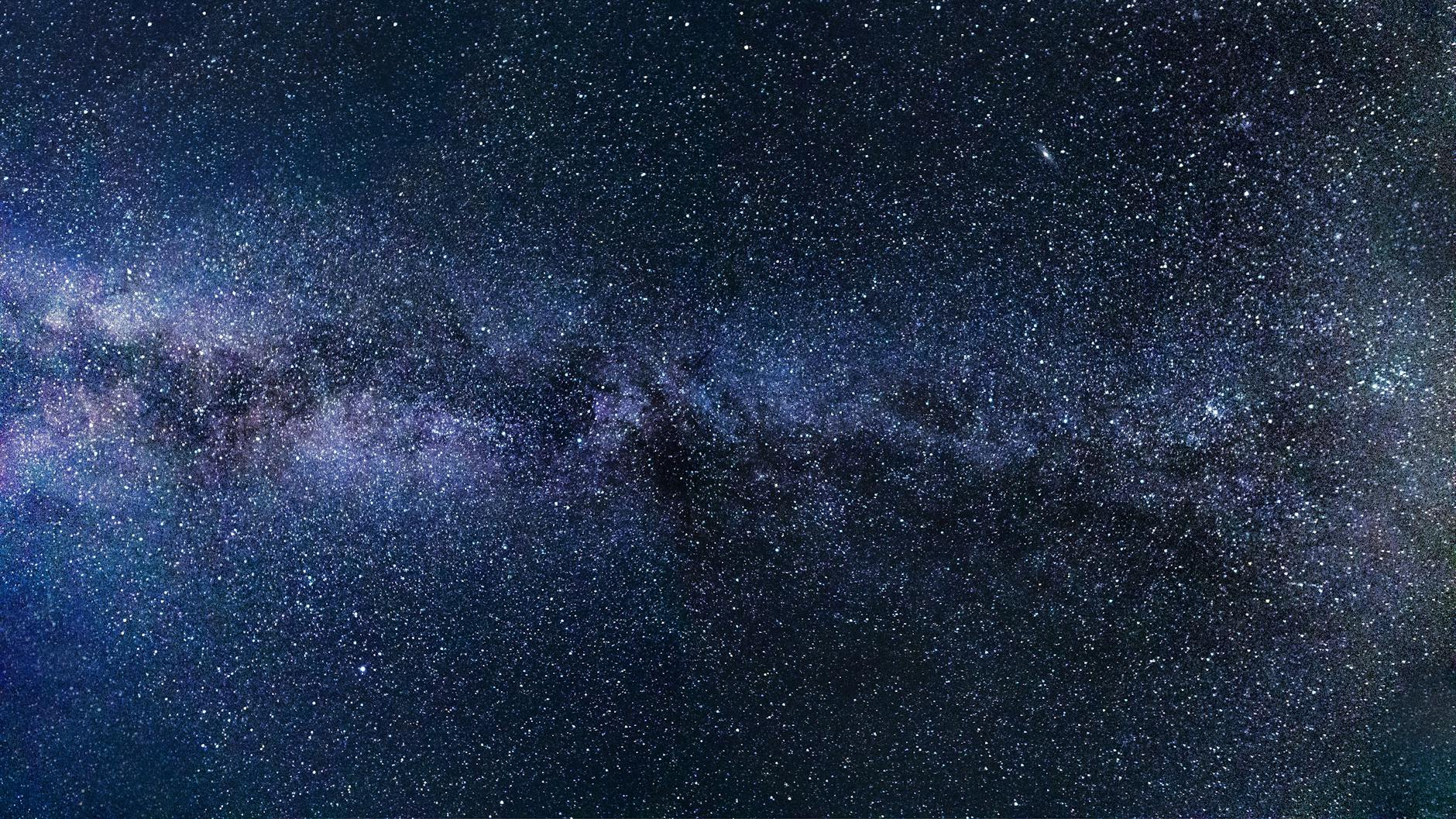
Photo by Felix Mittermeier on Pexels.com

Wir sind aus der Ewigkeit geboren und leben einen Wimpernschlag lang. Und da, mitten zwischen Geburt und Tod, begegnen wir einander. Genau in diesem Moment, an diesem Ort โ€“ wie ein neuer Stern โญ๏ธ am Nachthimmel. Die meisten dieser Sterne leuchten nur schwach. Doch einige? Einige erhellen den ganzen Himmel.

Manche von ihnen heiraten wir und verbinden uns fรผr immer. Andere ziehen vorbei oder bleiben als treue Freunde, weise Mentoren oder verlรคssliche Kollegen. Doch eines haben sie gemeinsam: Sie prรคgen uns โ€“ und lassen uns nicht mehr los.

Ist es vielleicht Gott, der seine Menschen so in der Welt verstreut, dass sie sich genau dann begegnen, wenn es passt? Wenn alles stimmt โ€“ dann funkt es. Dann erfasst uns diese tiefe, allumfassende Liebe, von der die Bibel spricht.

Diese Menschen kรถnnen aus Asien oder Lateinamerika kommen, aus Berlin-Mitte oder Wolkendorf bei Kronstadt. Sie kรถnnen รคlter oder jรผnger sein, Mann oder Frau. Wenn es passiert, sollten wir die Frequenz hochdrehen, staunen und genieรŸen. Ein neuer Stern an unserem Himmel โ€“ er wird dort leuchten. Vielleicht fรผr Jahrzehnte.

Und auch wenn der Alltag uns wieder einholt, wenn das Licht des Morgens die Sterne verblassen lรคsst โ€“ wir wissen: Sie sind da. Ihre Erinnerung bleibt in unserer Seele.

Was fรผr eine wunderbare Perspektive, um offen und empfangend in diese groรŸe, weite Welt hinauszugehen!

Und falls du dich jetzt fragst, ob du vielleicht einer dieser Menschen bist, die auf meiner Frequenz sendenโ€ฆ ๐Ÿค” Die Antwort kennst du doch. ๐Ÿ‘‹

Bergerfahung – Gott begegnet uns am Berg 2. Mose 3 und Matthรคus 17

Dieser Gottesdienst wurde am letzten Sonntag nach Epiphanias am 02.02.2025 in der Jahannesgemeinde in Springvale, Melbourne geleitet.

BegrรผรŸung

Liebe Gemeinde,

ich begrรผรŸe euch herzlich zu unserem Gottesdienst am letzten Sonntag nach Epiphanias. Heute begegnen wir Gott auf dem Berg โ€“ so wie Mose vor dem brennenden Dornbusch und die Jรผnger auf dem Berg der Verklรคrung. Berge sind Orte der Nรคhe zu Gott, Orte der Erkenntnis, aber auch Orte des Aufbruchs.

So fragen wir heute: Wo begegnet uns Gott? Wo ruft er uns? Und sind wir bereit, seiner Stimme zu folgen โ€“ im Alltag, in der Welt, in unserem Leben?

Mรถge dieser Gottesdienst fรผr uns alle ein Moment sein, in dem wir Gottes Gegenwart spรผren. Lassen wir uns von seinem Wort leiten und stรคrken.

Kurze Humorfrage fรผr die Eltern

โ€žAuf einem Berg kann man vieles erleben: Stille, Sturm, den Blick in die Weite. Oder โ€“ wer kenntโ€™s? โ€“ schreiende Kinder, die nach fรผnf Minuten fragen: โ€˜Wann sind wir daaa?โ€™ Aber genau so ist das Leben mit Gott: Es gibt Momente des Staunens und Momente der Ungeduld โ€“ aber er bleibt bei uns auf dem Weg!โ€œ

Tagesgebet

Guter Gott,

du hast Mose aus dem brennenden Dornbusch gerufen und Jesus auf dem Berg der Verklรคrung in Herrlichkeit offenbart. Du zeigst dich, wo wir es nicht erwarten, und sprichst in unser Leben hinein.

ร–ffne unsere Ohren fรผr dein Wort, unsere Herzen fรผr deine Nรคhe und unsere Hรคnde fรผr deinen Dienst.

Lass uns heute einen Augenblick deiner Herrlichkeit erahnen, damit wir gestรคrkt hinabsteigen in unseren Alltag, getragen von deinem Licht.

Darum bitten wir durch Jesus Christus, unseren Herrn. Amen.

Thema 1 

Lesung 2. Mose 3,1โ€“10

  1. Einstieg: Die Faszination von Bergen

Frage an die Kinder: โ€žWer von euch war schon einmal auf einem hohen Berg? Wie hat sich das angefรผhlt?โ€œ

Cathedra ranges 

โ†’ Ziel: Emotionale Verbindung schaffen. Berge sind Orte des Staunens, der Ehrfurcht und manchmal auch der Angst.

Berge haben in vielen Kulturen eine besondere Bedeutung. Sie stehen fรผr Herausforderungen, fรผr die Sehnsucht nach dem Hรถheren, fรผr den Aufstieg zur Erkenntnis. Sie sind beides: Orte und Symbole.  In alten Erzรคhlungen sind sie Orte der Offenbarung, der Prรผfung und der Transformation.

Verweis auf berรผhmte Berge: Mount Everest, die Alpen, Uluru in Australien โ€“ besondere Orte ziehen uns an. Welches ist der nรคchste Berg hier? Mount Dandenong Observatory oder Arthurs Seat State Park. Etwa 

รœberleitung: In der Bibel sind Berge oft Orte, an denen Menschen Gott begegnen.

Warum? Berge stehen symbolisch fรผr die spirituelle Entwicklung des Menschen. Der Aufstieg auf einen Berg ist mรผhsam, erfordert Disziplin und รœberwindung โ€“ genau wie der Weg mit Gott. Wer auf einen Berg steigt, entfernt sich von der Welt des Alltรคglichen und kommt in eine Sphรคre der Klarheit. Besondere Orte, die, losgelรถst von den Ablenkungen des Alltags, tiefere Erkenntnisse ermรถglichen.

  1. Erste Berg-Begegnung: Mose am brennenden Dornbusch (2. Mose 3,1-15)

Liebe Gemeinde,

Die Geschichte von Mose und dem brennenden Dornbusch gehรถrt zu den bekanntesten Erzรคhlungen der Bibel. Sie ist nicht nur eine Erzรคhlung รผber ein auรŸergewรถhnliches Ereignis, sondern eine tiefe Offenbarung darรผber, wer Gott ist โ€“ und wer wir sind.

Mose befindet sich in der Wรผste. Er ist in der Fremde, weit weg von seiner Vergangenheit in ร„gypten. Er hat sich ein neues Leben aufgebaut. Er ist Hirte geworden, sorgt fรผr die Schafe seines Schwiegervaters Jethro, und fรผhrt ein einfaches, aber geregeltes Leben. Man kรถnnte sagen, dass er es โ€žgeschafftโ€œ hat โ€“ aus einem impulsiven jungen Mann ist ein verantwortungsvoller Erwachsener geworden. Doch dann begegnet er Gott โ€“ und diese Begegnung verรคndert alles.

Gott ruft uns in unserem Alltag

    Mose hat sich nicht auf eine gรถttliche Offenbarung vorbereitet. Er hatte keinen besonderen spirituellen Plan. Er war einfach unterwegs mit seinen Schafen. Und doch โ€“ genau in diesem Alltag, genau in dieser scheinbaren Routine offenbart sich Gott.

    Ist das nicht auch eine Botschaft fรผr uns? Gott ruft uns nicht nur in den groรŸen Momenten des Lebens, sondern auch mitten im Alltag. Vielleicht hรถren wir seine Stimme in einer Begegnung mit einem anderen Menschen, in einem Wort, das uns berรผhrt, oder in einem Moment der Stille. Der brennende Dornbusch steht dafรผr, dass Gott mitten in der Welt gegenwรคrtig ist โ€“ auch dort, wo wir es nicht erwarten.

    Der brennende Dornbusch: Ein Bild fรผr Gottes Gegenwart

      Mose sieht etwas Ungewรถhnliches: einen Busch, der brennt, aber nicht verbrennt. Ein Zeichen, das ihn fasziniert und ihn nรคher treten lรคsst. Hier offenbart sich Gott โ€“ nicht als eine zerstรถrerische Macht, sondern als eine geheimnisvolle, unbegreifliche Gegenwart.

      Das Feuer steht in der Bibel oft fรผr Gottes Heiligkeit. Doch hier verbrennt es nicht, sondern es bleibt bestehen. Ist das nicht auch ein Bild fรผr Gottes Liebe? Sie ist eine Kraft, die uns verwandelt, aber nicht zerstรถrt. Sie kann unser Herz entzรผnden, ohne dass wir daran zugrunde gehen.

      Der Theologe Dietrich Bonhoeffer schrieb: โ€žGott ist nicht das jenseitige Wesen, sondern er kommt in unser Leben, in unseren Alltag hinein.โ€œ Diese Begegnung mit Mose zeigt genau das: Gott begegnet uns in unserer Welt und fordert uns heraus.

      Mose wird berufen โ€“ und zweifelt

        Gott spricht zu Mose und gibt ihm eine Aufgabe: โ€žFรผhre mein Volk aus ร„gypten!โ€œ Doch Mose zรถgert. Er fรผhlt sich nicht wรผrdig, nicht fรคhig. โ€žWer bin ich, dass ich das tun kรถnnte?โ€œ fragt er. Und Gottes Antwort ist entscheidend: โ€žIch werde mit dir sein.โ€œ

        Gott ruft nicht die Starken, sondern macht die Berufenen stark. Mose zweifelt, und doch ist er derjenige, den Gott erwรคhlt. Ist das nicht auch eine Botschaft fรผr uns? Wir denken oft, dass wir nicht genug sind, dass wir nicht fรคhig sind, eine Aufgabe zu erfรผllen. Aber Gott sagt nicht: โ€žDu bist perfekt.โ€œ Er sagt: โ€žIch bin mit dir.โ€œ Das genรผgt.

        Vom Sein zum Werden

          Mose ist von einem impulsiven jungen Mann zu einem verantwortungsvollen Erwachsenen geworden. Doch diese Entwicklung reicht nicht aus. Gott ruft ihn weiter. Er soll nicht nur bleiben, wer er ist, sondern werden, wozu Gott ihn bestimmt hat.

          Auch wir sind gerufen, nicht in unserer Komfortzone stehen zu bleiben, sondern uns von Gott verwandeln zu lassen. Unser Glaube ist kein statischer Zustand, sondern ein Weg des Werdens.

          Schluss: Gott ruft auch uns

          Die Geschichte vom brennenden Dornbusch ist nicht nur die Geschichte von Mose. Es ist unsere Geschichte.

          Gott ruft auch uns โ€“ vielleicht leise, vielleicht unerwartet, vielleicht in einem Moment, in dem wir es nicht erwarten. Die Frage ist: Sind wir bereit, hinzuhรถren? Sind wir bereit, unsere Schuhe auszuziehen, wie Mose es tat, und uns auf heiligen Boden zu begeben?

          Mรถge Gott uns offene Augen und offene Herzen schenken, dass wir sein Feuer in unserem Leben erkennen โ€“ ein Feuer, das brennt, aber nicht zerstรถrt.

          Aber es gibt auch besondere Orte die ihre Wirkung haben. Und besondere Zeiten, davon erzahlt das Evangelium von heute welches wir gleich nach dem nachsten Lied horen werden. 

          Ansprache II 

          Zweite Berg-Begegnung: Die Verklรคrung Jesu (Matthรคus 17,1-9)

          Nach dem Lied folgt nun die zweite Begegnung mit Gott auf einem Berg: die Verklรคrung Jesu auf dem Berg Tabor.

          Interaktive Aktion: Der Bergaufstieg

          (Bevor der Predigttext gelesen wird, lade ich die Kinder nach vorne ein.)

          Frage an die Kinder:
          โ€žStellt euch vor, ihr seid mit Jesus unterwegs. Er sagt: โ€šKommt mit mir auf einen hohen Berg!โ€˜ Was wรผrdet ihr mitnehmen? Seid ihr bereit fรผr eine lange Wanderung?โ€œ

          (Kinder kรถnnen Gegenstรคnde nennen, z. B. Rucksack, Essen, Wasser, Taschenlampe. Dann bitte ich sie, gemeinsam mit mir symbolisch einen โ€žBergโ€œ zu erklimmen โ€“ wir steigen auf die Altarstufen oder tun so, als wรผrden wir mรผhsam einen steilen Pfad hinaufgehen.)

          Botschaft:
          โ€žEin Bergaufstieg ist anstrengend, oder? Manchmal wollen wir vielleicht aufgeben, aber wenn wir oben ankommen, sehen wir die Welt ganz anders. Und genau das passiert mit den Jรผngern: Sie erleben etwas, das sie nie vergessen werden.โ€œ


          Die Verklรคrung โ€“ Ein Blick in Gottes Herrlichkeit

          Jesus nimmt drei Jรผnger mit sich โ€“ Petrus, Jakobus und Johannes โ€“ und steigt mit ihnen auf einen hohen Berg. Dort geschieht etwas Unglaubliches: Jesus wird verklรคrt, sein Gesicht leuchtet wie die Sonne, seine Kleider werden blendend weiรŸ. Plรถtzlich erscheinen Mose und Elia und sprechen mit ihm. Eine Wolke รผberschattet sie, und eine Stimme aus der Wolke spricht: โ€žDies ist mein geliebter Sohn, an dem ich Wohlgefallen habe; auf ihn sollt ihr hรถren!โ€œ

          Ich selbst war 2003 auf dem Berg Tabor in Israel. Der Aufstieg war mรผhsam, aber als ich oben ankam, hatte ich das Gefรผhl, an einem heiligen Ort zu sein. Die Aussicht war atemberaubend, und es wurde mir klar: Berge sind nicht nur Orte der Hรถhe, sondern Orte der Erfahrung. Sie reiรŸen uns aus dem Gewohnten heraus und lassen uns Dinge erkennen, die wir vorher nicht gesehen haben. Auf diesem Berg steht heute eine Kirche. Sie will auch das sein, ein besonderer Ort

          Von Mose zu Jesus โ€“ die Verbindung der beiden Berg-Erfahrungen

          • Mose begegnet Gott auf dem Berg Horeb im brennenden Dornbusch und erhรคlt seinen Auftrag.
          • Die Jรผnger begegnen Jesus auf dem Berg Tabor in seiner gรถttlichen Herrlichkeit und erkennen, dass er der Sohn Gottes ist.
          • Beide Berge sind Offenbarungsorte: Gott zeigt sich, er spricht, und das Leben derer, die ihn hรถren, verรคndert sich.

          Theologische Deutung: Die doppelte Natur Jesu

          Die Verklรคrung ist nicht einfach nur ein Wunder โ€“ sie offenbart etwas Entscheidendes.

          Der Theologe Karl Barth schreibt:
          “Die Herrlichkeit Christi ist nicht ein รคuรŸerlicher Glanz, sondern die sichtbare Wahrheit darรผber, wer er wirklich ist.”

          Die Jรผnger hatten Jesus als Lehrer und Wunderheiler erlebt. Aber auf dem Berg sehen sie seine gรถttliche Natur โ€“ fรผr einen kurzen Moment wird der Schleier gelรผftet, und sie erkennen, dass Jesus mehr ist als ein Prophet. Er ist Gottes Sohn.

          Die Stimme aus der Wolke bekrรคftigt es: โ€žAuf ihn sollt ihr hรถren!โ€œ
          Das bedeutet: Wenn wir wissen wollen, wer Gott ist, wenn wir verstehen wollen, was er von uns will, dann sollen wir auf Jesus schauen, seine Worte hรถren und seinem Beispiel folgen.


          Vom Berg hinab โ€“ Zurรผck in den Alltag

          Petrus ist so beeindruckt, dass er auf dem Berg bleiben will: โ€žHerr, es ist gut, dass wir hier sind! Lass uns Hรผtten bauen!โ€œ (Mt 17,4). Doch Jesus bleibt nicht oben. Die Offenbarung ist nicht fรผr den Gipfel bestimmt, sondern fรผr das Leben unten im Tal.

          Genau wie Mose vom Berg hinabstieg, um Israel zu fรผhren, steigen auch die Jรผnger mit Jesus wieder hinab. Die wahre Herausforderung beginnt nicht auf dem Berg, sondern unten โ€“ im Alltag, in den Begegnungen mit anderen Menschen, in den Herausforderungen des Lebens.

          Auch wir haben unsere โ€žBergmomenteโ€œ โ€“ Zeiten, in denen Gott uns besonders nahekommt. Momente in denen wir in Jesus mehr sehen als nur einen besonderen Menschen.  Unser Glaube zeigt sich nicht nur auf dem Gipfel, sondern im Alltag. Sind wir bereit, nach der Erfahrung wieder hinabzusteigen und Gottes Willen zu tun?

          Die Antwort bleibt fur viele Menschen nein. Sie fragen weiter was ist ein gutes, ein gelingendes Leben, wofur lohnt es sich weiter zu machen und sich einzusetzen und die Antwort ahnen viele. Es ist mit Jesus. 

          Die zwei Szenen erinnern uns daran. 

          Mรถge Gott uns offene Herzen schenken, dass wir ihn auf den Bergen und in den Tรคlern unseres Lebens erkennen. Amen.

          Meritocracy and the future of democracy. Michael J. Sandel

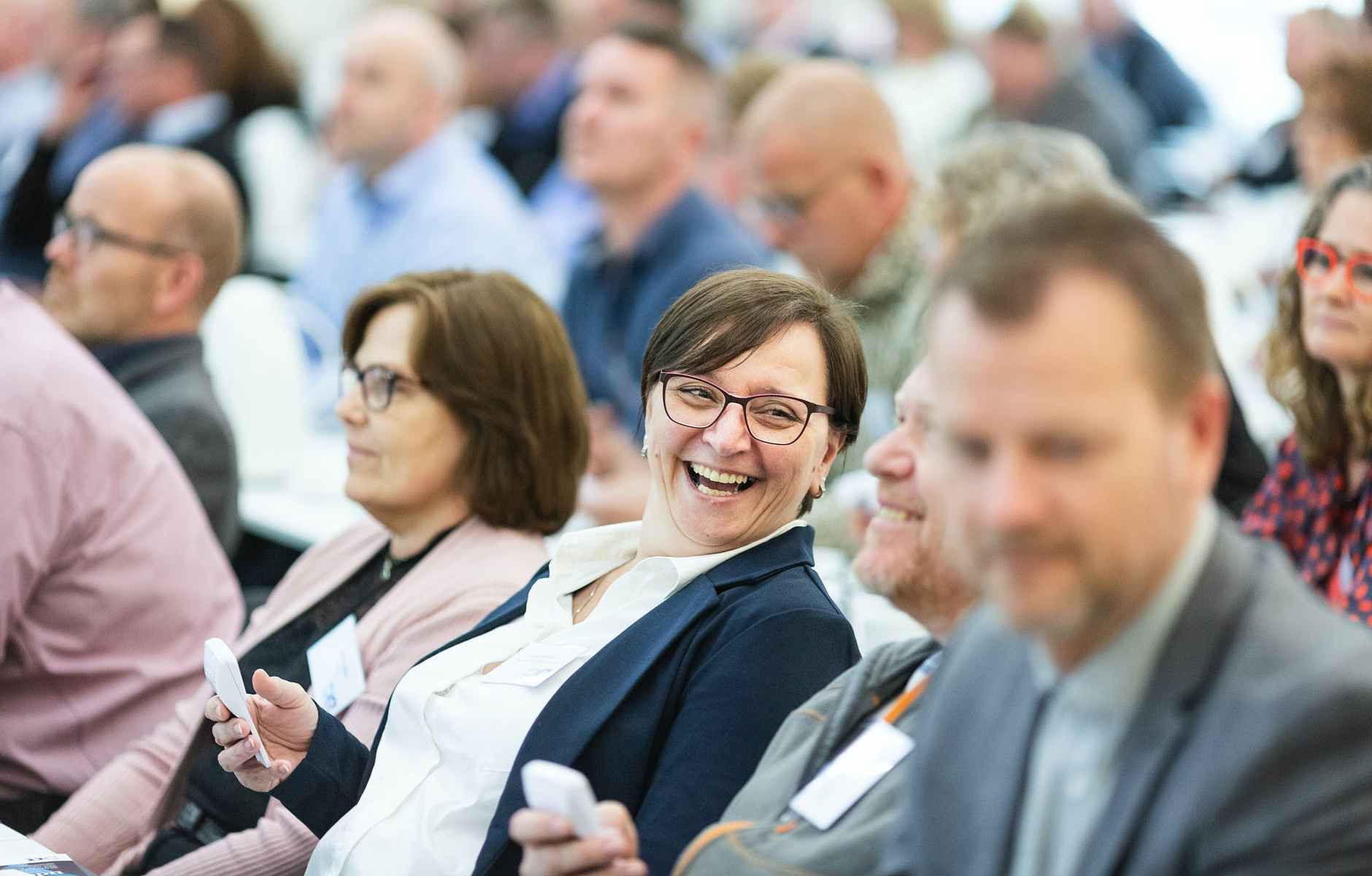
          people sitting on chair

          โ€œEveryone can make it.โ€ โ€œWork hard enough and you will be successful.โ€ โ€œAnd if you are not successful you did not work hard enough.โ€ Thatโ€™s how most people think. But this thinking brings forth a problem called the:

          Meritocratic hubris

          This is the tendency of winners to be too proud of their success. To forget the luck and good fortune that helped them on their way. โ€œIt’s the conviction of those who land on top that they deserve their fate.โ€ That there is no other reason for their success other than their hard work. This is of course not true. There is always a bit of luck involved and circumstances we have no control over like: time, location, education, parent wealth, physical health etc. 

          By implication, according to the meritocratic hubris, those on the bottom deserve their fate. Itโ€™s solely their wrongdoing and their fault. They did not work hard enough, they did not make it. They deserve it. โ€œThe idea that everyone is exposed to a certain kind of fate, by the grace of god or sheer luck makes room for compassion. A perfect meritocracy banishes all sense of gift or grace or luck; it diminishes our capacity to see ourselves as sharing a common fate. And so, it leaves little room for the solidarity that can arise when we reflect on the contingency of our talents and fortunes.โ€ This is what makes merit a kind of tyranny.

          The Tyranny of Merit

          Based on the book, the Tyranny of Merit by Michael Sandel, who teaches political studies at Harvard University, we uncover many causes for the current state of democracy. As we are in an election year here in Australia but also because of the challenges to democracy posed by the pandemic and the rise of political partisanship, we need the identify the problem and find achievable solutions. Whatโ€™s the future of democracies? For Sandel it is a future in which we have: 

          equality of opportunity in a democracy of humility. 

          Equality of opportunity

          Equality of opportunityย you might think is already part of our society. But if you look closer it’s not. Over decades people from different economic backgrounds have less and less common ground. They live in different suburbs, go to different schools and have different cultural, educational and financial possibilities which in turn creates a sense of disconnection. Although free democracy promises equality of opportunity in reality this is less and less true. Children from lower-income families do not have the same opportunity as others who visit elite schools and enjoy private tuition. This hopelessness creates in return frustration and resentment. โ€œWhy try when failure is certain?โ€ Recent developments show for example that children in the USA will be worse off than their parents. Just as in Australia most young people canโ€™t afford to buy a house like their parents realistically hope to be able to do.

          In human history, there was always a gap between the rich and the poor. The kings and noblemen and the peasants and common folk. But, even that gave room for humility and compassion. Because the rich knew they were born into it and the poor had to live with their fate. In a meritocracy, there is no room for compassion because the poor are poor because of their own fault and the rich can feel entitled because it’s their earned right

          โ€œSeen from below, the hubris of elites is galling. No one likes to be looked down upon. But the meritocratic faith adds insult to injury. The notion that your fate is in your hands – that you can โ€˜make it if you tryโ€™ – is a double-edged sword, inspiring in one way, but discriminatory in another. It congratulates the winners but denigrates the losers – even in their own eyes. For those who can’t find work or make ends meet, it’s hard to escape the demoralizing thought that their failure is their own doing – that they simply lack the talent and drive to succeed. This gives rise to a politics of humiliation.

          It combines resentment of the winners with nagging self-doubt. It’s a potent ingredient in the volatile brew of anger and resentment that fuels populist protest.โ€

          Democracy of Humility

          To reinvigorate democratic politics, we need to find our way to a morally more robust public discourse; says Sandel. โ€œOne that takes seriously the corrosive effect of meritocratic striving on the social bonds that constitute our common life.โ€ โ€œIf the common good can be arrived at only by deliberating with our fellow citizens about the purpose and end worthy of our political community, then democracy cannot be indifferent to the character of the common life. It does not require perfect equality but it requires that citizens of different walks of life encounter one another in common places. It leads to a more generous and compassionate society where even those who are not fortunate enough, who do not make it, have a place to live and be heard.ย 

          Is that a good solution? Is that a way forward? And if it is, in which political Agenda and which political party do we find this proposition. And if we do not find it how can we influence the next government and politician to devise the necessary policies? What would be the alternative solution? 

          Source: Tyranny of Merit by Michael J. Sandel

          Check out the video linked below for more information about this topic.

          Consumerism – How Youtubers make us want to buy stuff. Want less.

          street lights

          Consumerism is bad. Consumerism is โ€œthe idea that increasing the consumption of goods and services purchased in the market is always a desirable goal and that a person’s wellbeing and happiness depend fundamentally on obtaining consumer goods and material possessions.โ€

          On the one hand, it’s a driving force of the need for economic growth and, on the other hand, the reason for pollution, waste, and slave workers all around the world. So, why are we not happy with what we have? Or happy with less? Less clothes, less stuff, less shoes, less food, less. If you live in a wealthy country, you live in the one per cent wealthiest societies worldwide and history up to this point, yet, the more we have, the more we seem to want.

          Why? 

          I think 1. It has some evolutionary symptoms and reasons. 2. Itโ€™s because we are influenced by marketing. 

          Evolutionary

          1. Evolutionary humans evolved as social beings to connect and live together with others in larger groups. Many evolutionary traits humans have helped them live better together with other humans and their community. They are deeply connected. Our ability to collaborate on a large scale and live together in larger groups sets us apart from every other being. Therefore humans evolved to be specialists in all things connected to other human beings. 

          In his bookย โ€œHumankindโ€ย Rutger Bergmanย writes that we would be willing to do something we would instead do something we know is bad and against our values to belong and be part of the larger group.ย 

          That’s a great tipโ€”a bonus one. Seeking friends and surrounding ourselves with people we look up to will help us become better. A statistic says that we are the average of our friends, good and bad.ย ย 

          Marketing

          2. The other reason is the genius of marketing. And in our days, it is, to be very precise, social marketing. Social Marketing is the influence other people have on us and our decision to purchase a product or service. The biggest Brands in the world basically outsource their marketing to online creators. A new kind of job is created and a new kind of marketing is practised: โ€œThe casual looking consumer on youtube makes videos about his or her favourite toys.โ€ At least it started like that. Now it’s a job. Creators live from that and if they know it or not behind their well-meant โ€œhonest reviewโ€ lies the ugly truth of social marketing. 

          In the age of social media and social influencing, this has a deep impact on us personally and as consumers. 

          Youtube

          On youtube, it’s particularly challenging. Because here we have a mix of sharing our personal lives and business model. Which is basically to be an appealing, nice, interesting, engaging personality that connects with different audiences sharing what companies send them either for free or with some requirements. 

          Thatโ€™s why Youtube can be so dishonest. And I say can be, because many YouTubers are aware of this problem and know that the audience sniffs out dishonesty. So there are some checks and balances but are they enough? Is it obvious enough? Is it clear enough that some videos are simply advertisements? From my own experience no. Itโ€™s not. And creators try to do the bare minimum required by law or not even that. Even if creators mention that they are sponsored or that the product they review has been sent to them is that enough? I think not for the ultimate goal to influence the audience into being interested or buying that product.ย 

          It happens pretty regularly to me. And I am sure it happened to you too. Suddenly I want to buy something. I have this urge. It’s like an itch. I need it. I need it now, and I need it badly. After reviewing for four weeks or even months that particular product, reading articles, and watching Youtube videos, I now made the decision and want it badly. From where does this thought come from? Maybe just out of nowhere. But perhaps this longtime influence I am exposed to by watching Youtube about products, etc., suddenly comes to the surface. I am influenced. Even the whole setup of having different cameras, laptops, and phones like YouTubers do, is because they are working with those products seems to be expected.ย 

          It’s too late. I want it. And I want it bad. And I want it now. โ€œIf you donโ€™t have it in stock, I would rather drive to a shop 20 km down the road. That’s how bad I want it.โ€

          Now, by all means, I wish all Youtube Creators all the best in finding good sponsors and products they believe to market for them, but I also highlight the problem and the challenge with it. 

          What is the future of marketing and advertisement? Will all human interactions become some sort of influence? Will every conversation, every discussion, every interaction be some sort of transaction of intangible value or influence towards a sales pitch? 

          Interested in the Youtube Video version of this article explore press the link below.

          Leadership – Decision Fatigue

          young troubled woman using laptop at home

          Let’s discover five things we can do to make better decisions and avoid decision fatigue

          Did you hear about decision fatigue? I came across this formulation a long time ago, and I always asked myself if it was true. Do we get fatigued because we make too many decisions? It’s not like our mental power would run out. It is not like we could not go on to make decisions, or does it?

          Yet, there are so many easy examples that come to mind which illustrate this point.

          Think about:

          • shopping without buying
          • flights or vacations not booked because there were too many choices
          • renint a hous is a terrible proces (usually)
          • coupon expired

          That’s called the paradox of choice. The more options we have, the more difficult it becomes to choose and be happy about it. We fear making the wrong choice and are not satisfied with whatever choice we make.

          Perhaps we can think alongside Daniel Kahneman’s ideas from his book “Think Fast and Slow” one of whihc is: we do many things in an automated. We spend almost all of our daily lives engaged in System 1 (Thinking Fast). We engage System 2 (Thinking Slow) only if we encounter something unexpected or make a conscious effort.

          To avoid decision fatigue, we need to have good habits and systems. I think this fits perfectly into this idea of dealing with most of our time and tasks and aspirations through habits and systems. Not relying on our willpower, not on intention, not on a decision, may it be conscious decisions or decisions we make unconsciously, even worse. Habits and Systems take away a lot of unhealthy mindlessness. Of the chaos of our brains and keep our inner procrastinators at bay.

          What can we do?


          We automate things in our lives so that we do not need to make decisions about those things. (for example, A LIST GOOD HABITS). We spend most of our time, System 1, in a well prepared, organised system of intentional habits that lead us in the direction and future we want to rather than the one we might end up in by chance.

          Five things we can do to make better decisions and avoid decision fatigue

          1. make better decisions in the morning or after a break
          2. delegate decision
          3. make fewer decisions
          4. developed a decision-making process
          5. decide together with other people

          Nutrition – Pandoras Box of advice

          woman pouring juice on glass

          From birth until death and in-between there is this time called life and the question is how should we live a good, meaningful, healthy life not only for ourselves but also for the people and the environment around us? In this article which you can watch as a video, we explore some simple healthy habits and systems that help you make better choices in regards to food and nutrition.

          Thinking, speaking and talking about everything that is important to live a good life, nutrition needs to have its place. Even if I am not a nutritionist, I am not a health professional (although that’s in some sense debatable), I need to tackle these issues. If not for you then for me. I rely on my own experience and on literature to find useful information and share something that is helpful. It should be helpful even if you don’t have time to read or watch, but just are scrolling through.

          Why is this question in a box? In Pandoras Box?

          Giulio Bonasone (Italian, active Rome and Bologna, 1531โ€“after 1576) Epimetheus opening Pandora’s Box, 16th century Italian, Engraving; http://www.metmuseum.org/Collections/search-the-collections/392735

          It’s there because in our times there is a censorship on everything that we can’t agree upon together. Nutrition is one of these topics. We are so polarized that we can’t even talk about food. No matter what we say, there will be a different opinion. No matter how healthy, clean or organic the food advice might be, someone will have a problem with it and will be offended by it. If I recommend a carrot, there will be someone having a problem with it. It feels like opening a box, starting a discussion about something that seems nice but will be the source of all evils. Pandora’s box of nutrition – organic, healthy, bio, local, raw, free-range, fresh, cooked, preheated, pre-cooked, frozen, only meat, less meat, no meat, lifestyle, religion, related, hated, climate problem, killing, factory meat and production.

          But I dare to open it not only because I know that currently there are just a few people reading this so the danger is not as high, yet. I do it because I think it can and will be helpful. It’s at least helpful to me, bringing order into my thoughts and views about this topic.

          Different aspects

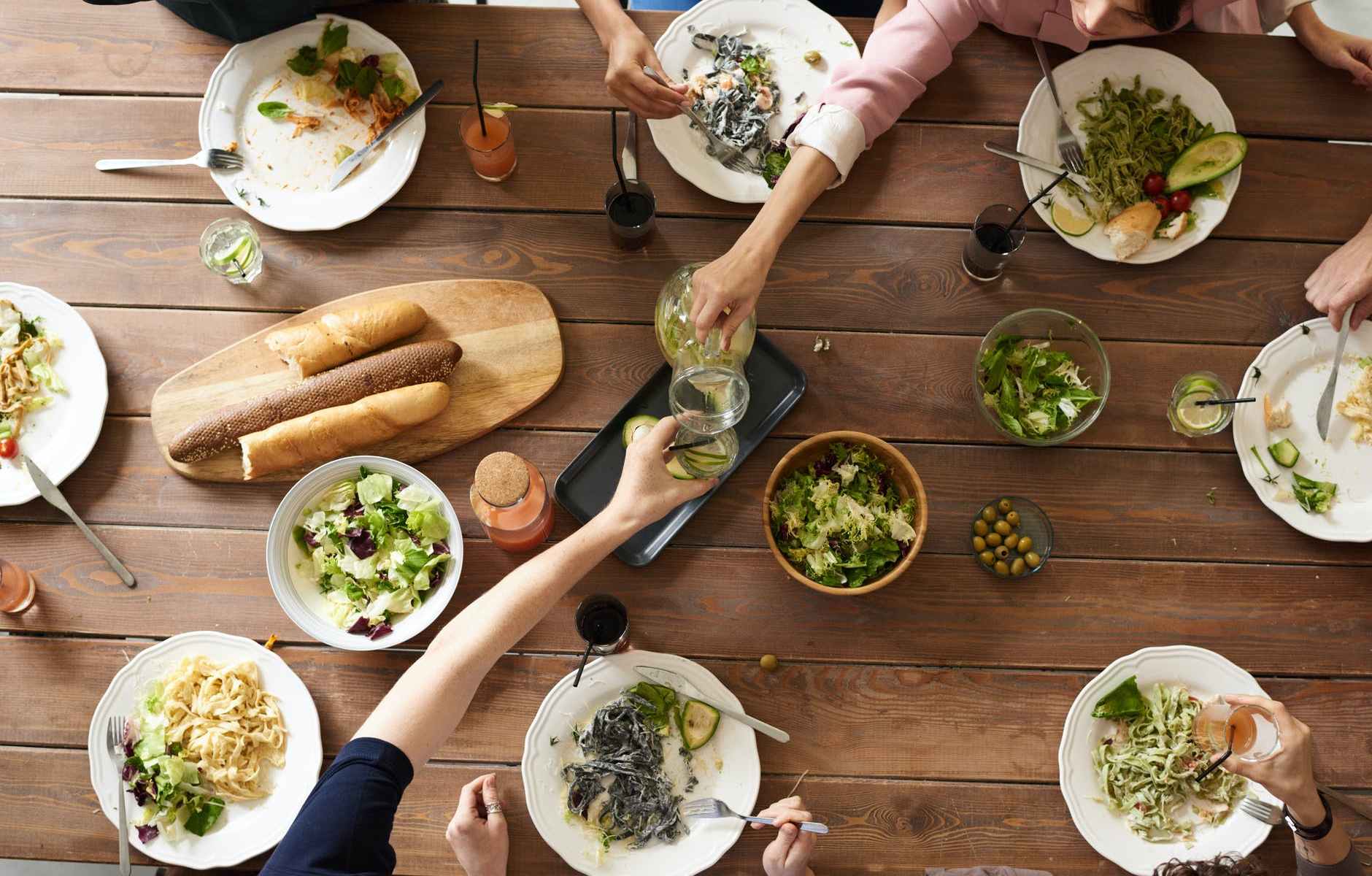
          people sitting around a table with food
          Photo by cottonbro on
          • Food and nutrition are interesting from different points of views. For example the connection between Religion and Food. There is a strong connection in different religious traditions between food and faith. I will explore this topic more in the upcoming posts.
          • Food is an important aspect of culture. Not only connected to religion but also heritage, tradition and identity. Cultural commons and exploration are, in a global world like ours, one of the most interesting journeys we can embark on.
          • Daily food and nutrition advice. That’s the boring routine? The kind of food we should eat day in day out? That can’t be that hard to answer? Food that keeps us fit, helps us to stay healthy and strong, there must be some kind of easy receipt?! A system.
          • On the opposite food can be an experience. Even a special and unique one. Going out to dine in a gourmet restaurant can be a life-changing moment. I think we should plan ahead and regularly experience food in a new way, perhaps at home but especially in a special restaurant with a great chef.

          Two Tips to start with

          1. Eat less and exercise more

          In “Humanology”, Luke O’neill has a chapter about this. In his second book after giving a long and in-depth insight into the topic of nutrition, how the body works and what kind of genes might have an influence on how we digest and store or burn certain foods, he comes to a simple but powerful conclusion: Eat less and exercise more.

          Of course, we can add to eat a balanced diet, a lot of vegetables and grains, some meat although due to climate change and food production, no meat might be the ethical choice. Perhaps the conclusion would be: Eat less and eat balanced. But less is important. Because most of us today eat too much. There is too much food. Such a privilege. And we are animals from a time long gone driven by instincts and desires. How can we control ourselves in such a context? Eat less. No, you won’t die. You won’t get sick. You will not fall off your bones. You are much better equipped to survive with less food than with lots of it. Just eat less. And keep your diet balanced.

          2. Eat food as raw and fresh as possible

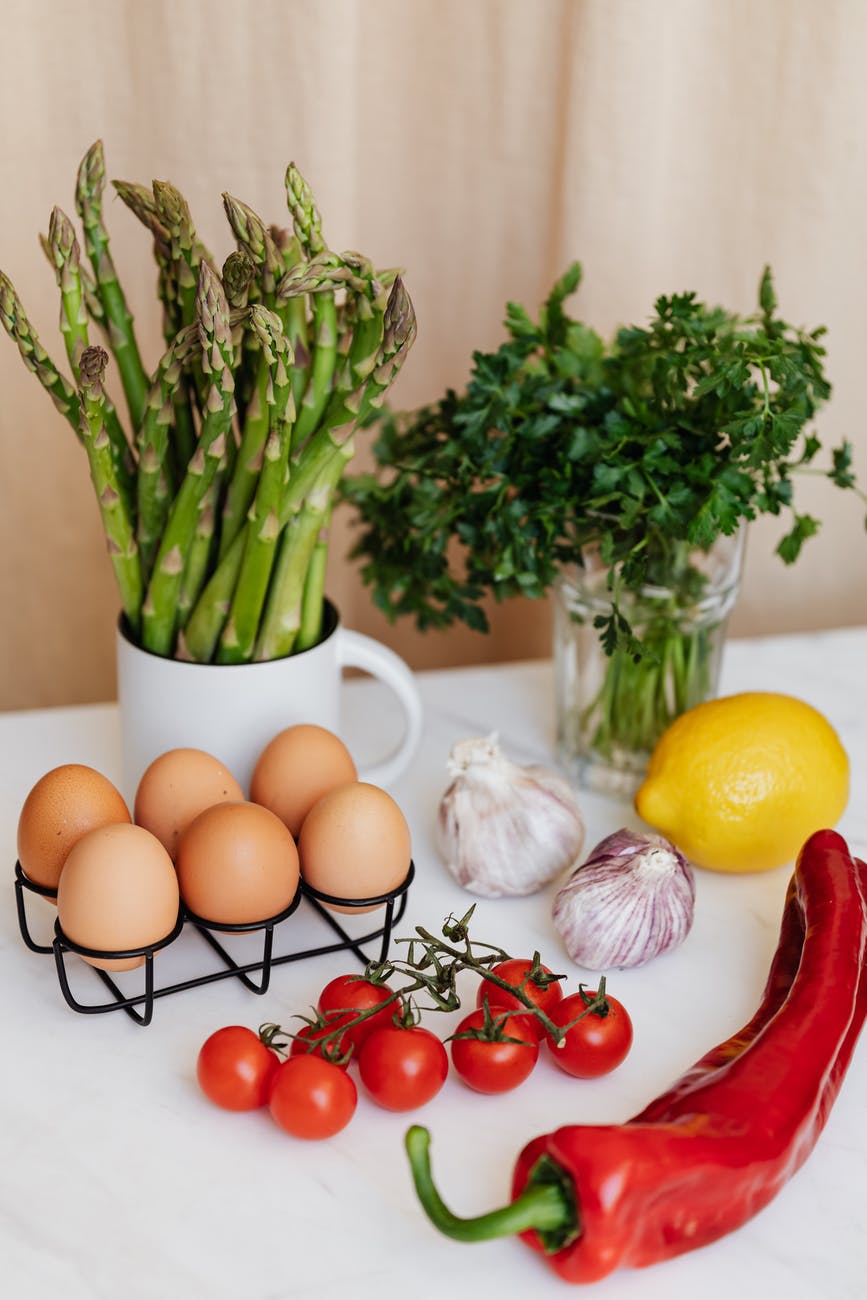
          composition of fresh ingredients for healthy breakfast
          Photo by Karolina Grabowska on Pexels.com

          And stop eating anything that comes in a package and is precooked, ready to eat or readily digested food with who knows how many conservatives, preservatives and chemical treatments inside. It is not normal that you can eat that food even in 25-years because it is never going bad, isn’t it? No. The better choice, eat as much raw food as possible. And the food that needs cooking should be cooked by you, preferable right before you eat it.

          I think that this simple way of thinking about nutrition will make it easy for you to choose what you eat.

          Next time when you go to a Supermarket just skip 90% of the raws and lanes and stay in the area where the fresh food is. Buy some veggies, buy some fruits and grains, perhaps some fresh meat, from a local farm and that’s it. You don’t need to satisfy your curiosity by exploring all other lanes. What’s there is not for you! Only modern poison. Because you eat food as raw and fresh and local as possible.

          Hope these tips are helpful. And until next time when we open Pandoras Box of Nutrition advice.

          Need more Information? Check out these videos:

          Lockdown Ends – Happy consumer day!

          photo of discount sign

          The News channels were bragging this week about how many millions of dollars people spent in just a few days after the Lockdown. Hundreds of millions of dollars for haircuts, beer, who knows what else. That made me think.ย 

          Happy consumer day!

          At least it feels like that. That people are out of Lockdown, and now they can fully be what they are supposed to be, consumers. Now, at last, you can shop again. What a fantastic freedom day. People lining up everything, waiting in loooonnnnggg queues and lines to what? To get a pan? To buy a broom after three months, they couldnโ€™t wait any longer. To get some new socks?

          crown group modern motion
          Photo by Burst on Pexels.com

          Letโ€™s celebrate, 

          Letโ€™s start the shopping party, 

          We are free!

          How ridiculous is that?! The first thing we do and everyone talks about, and everyone wishes for is to go and spend money on things we donโ€™t need wasting time and resources we could use better. Yes, I know we need to support the local economy. But the reality is the local economy needs to change to support us and not the other way around. If we change our consumer behaviour, the economy will change its behaviour. Itโ€™s as simple as that! If our values and priorities change, the economy will change too, and everyone will be fine again.

          Did we learn anything from the time we could not go shopping?

          Did we learn anything from staying at home in Lockdown other than discovering our need to horde stuff and distract ourselves from the meaninglessness of existence by mindless roaming around malls and Ailes? Really? Is that the answer? We can get back now and continue to distract ourselves from the fascinating matters with shopping, buying, spending, sitting in bars, and drinking alcohol with others who need to distract themselves too?ย 

          Let me ask:

          • Why donโ€™t we queue up in nature?
          • Why donโ€™t we report about long lines of people cleaning the streets of rubbish?
          • Why donยดt we line up at work?
          • Why donโ€™t we see everyone bending down in community gardens planting organic food rather than bending down in shopping malls buying useless stuff they donยดt really need?
          • Why donโ€™t we form some lines in front and around hospitals helping those who still struggle? Soon they will queue up too, just in front of the hospital for triage.
          • Why donโ€™t we โ€ฆ? You get the point, and you could complete the list

          Of course, I am happy that the Lockdown is over in NSW. And I am looking forward to the day this will happen in Victoria, which will be soon. But the reporting of this โ€œFreedomโ€ day seems to me so ridiculous. We are now free to leave our homes and what do we do? We go shopping and consuming. Because thatโ€™s what lives seems to be about. Thatโ€™s what we are, customers, shoppers, and clients to our corporate master. We are free to be shopping mall slaves.ย 

          A new perspective

          I would hope, and I would think that this time in Lockdown gave us some new perspectives. Some new insight into what our lives are about, why it matters that we are here and what we could be back in our societies.ย 

          Maybe its not about consumption but connection?

          But maybe I am wrong. Maybe all that, all the consumption after Lockdown is just an expression of our desire to connect with others. To meet up and do something together outside of our houses, out there in the unknown with unknown people. We are humans, and humans belong. Perhaps we feel that the battle is won and that now is the time to get back together with our comrades and celebrate the victory over this miserable virus. 

          Perhaps itโ€™s not about consumption, but connection and connection happen especially through consumption? Is that a fair thought? Is that seeking light in the darkness? Maybe we did miss the friendly faces behind the counter? Perhaps we just missed the chat with our hairdresser? Perhaps we just longed for a conversation with a waiter about the latest News rather than just gulping down our food. Maybe? But maybe not! At least, I hope so. 

          Out of Lockdown

          people wearing diy masks

          Tips on what you can do after Victoria’s lockdown restrictions due to the Covied – 19 Pandemic are being eased. Whilst remaining covid safe and thinking about the rest of the world Iout of lockdown means:

          • Out to celebrate
          • Out to connect 
          • Out to rediscover 
          • Out to reflect 
          • Out to remember

          Out to celebrate

          Time to celebrate. Time to cheer up. Time to sing and laugh and be happy. Perhaps you are worn out and tired. Or you are angry, grumpy and afraid. Maybe you are worried because someone, here or oversees got sick during this time. Perhaps you lost a significant portion of what you had. You lost your job. Your business suffered. Whatever your circumstances are celebrate even a little bit. Maybe you think that there is nothing to celebrate and that this should never have happened. Think again. These are events of a lifetime. Unprecedented. And for now, there is reason to rejoice. Only if we can celebrate will our achievements have a lasting impact on our heart and minds. For now, we won! Let’s celebrate! 

          Out to connect 

          So much is lost. How do we build up again our connections and relationships? How can we do that in an ongoing and Covid Safe way? In an already individualistic and isolating world, the Pandemic has a significant impact on our relationships. After this extended lockdown, you might not feel the need or any motivation or reason to get out again. To connect with friends and your community in church or your club etc. seems unnecessary. But that is just what loneliness does to us. And we are blind to it.

          You can do something about it. 

          Out to rediscover 

          Just as connecting with people is high up the list we should do again rediscovering things after we had to spear them for a while is so important for now. Visit places you missed to see. Do also activities you could not do, like hiking your favourite path etc. What is something you want to rediscover? Perhaps after having to spear those things for a while, we see them now from a new perspective and experience them in a new way. Maybe now we rediscover something as being valuable and important to us, and we did not know it until now.

          Out to reflect 

          It might be over at last and for now. But it is only a chapter. The Pandemic is not over yet. All over the world countries go through all kinds of situations and scenarios, and we are concerned not only because of the news but because of our connections through families, friends or general interest. For us here in Melbourne, the current situation is a relieve for now. So its time to reflect. Perhaps these next weeks and month will be such a time of reflection on what happened and what it did to us. Here are some questions that might help. Questions I ask myself.

          1.  How did this time change me? 
          2. What did it make me better or worse at?
          3.  What should I keep?  
          4. What did I learn? 
          5. What am I afraid of? 

          Out to remember

          When life gets back a little bit more to a normal rhythm, you have to remember all those things you thought and planned and hope for. Things like: 

          • remember all your new good habits
          • remember experience
          • remember you plans 
          • remember lessons learned
          • remember its not over yet
          • remember promises made

          Out to celebrate

          And of course, I have to repeat this. Celebrate. It’s like celebrating outstanding achievement and do not be mistaken; it is one. In Victoria, we had more than 800 death, and we prevented many more, not only because of Covid but other preventable death. Our healthcare workers are not at their limits, and our hospitals are not overcrowded. There is enough support for everyone who struggles financially and for businesses to get through this. We have a healthy democracy, and we are in a great place, not perfect, but great. And we should celebrate first before we get back to work and before we get worried again about what’s going on in our world. Cheers.

          Everyone has an Agenda

          person in black pants and black shoes sitting on brown wooden chair

          Can we have a normal conversation? 

          I promote genuine curiosity and interest in other people. I want to encourage conversation for the sake of interacting with someone else.

          Why does almost everyone today, especially those who seem to be friendly, interested and motivated in conversation have a Hidden Agenda in the sleeve that’s pulled out once you are hooked in a seemingly genuine conversation? 

          There is nothing more frustrating and disappointing than having that AHA moment during a talk with someone: “Aha, that’s why you invited me to lunch?” Do you know those surprising moments? “Aha, and all this just for asking if I can…” It’s so disappointing! “And I thought this friendly person was just interested in having a discussion, how stupid from me.” 

          Disguising our real intention

          Why can’t we have a genuine conversation? A conversation without the hidden Agenda. One without a secret product in the pocket and every so important marketing for the “Me” business. 

          It seems that the interaction with other people today has become a charade of friendliness disguising our real intention to sell something to a possible buyer. It feels to me like being on a real-time Market-platform, Amazon in real life, where everyone is trying to pitch you something.

          No need to network all the time

          Networking, the exchange of information and ideas among people with a shared profession is conquering all conversation. Its exactly that, having “an agenda” and finding a fancy justification for it. Why do all encounters have to have an outcome? an aim?  Interaction with other people can be based on a common interest or based on a situation may it even just be sharing a waiting room at your GP. You don’t need to advance your Agenda there.

          Why not merely having a conversation without a “positive outcome”? Just a talk between two people sharing their thoughts, ideas, feelings or having a discussion about a topic. Not a planned conversation with an expected topic or “agenda” to go through. Do you remember such a conversation? I am sure you do because many of those conversations are important.

          Genuine curiosity and interest in other people

          woman wearing white high top shoes
          Photo by Dฦฐฦกng Nhรขn on Pexels.com

          With this short article, I promote genuine curiosity and interest in other people. I want to encourage conversation for the sake of interacting with someone else. A real encounter, an in-depth discussion and intention to listen and understand the other person’s perspective.

           I am tired of encounters with an Agenda, where I am just a potential client, a consumer or a step to something else for self-gain. Whatever your Agenda is, stop it! Not today. For once, be yourself, without being afraid to be wrong or right. Let us learn from each other and build on ideas. Who knows our conversation can be life-changing.

          15th October World Values Day – Dialogue

          How to make your relationship survive the Pandemic

          Author Anna Demuth

          “If you want to go fast, go alone; but if you want to go far, go together.”

          African proverb

          The coronavirus pandemic has not only affected countries and continents but also our family; Working at home, homeschooling and having the spouse 24/7 at home had test families resilience and patience. Statistics show an increase in family violence, mental health and drug and alcohol problems.

          There are several news and reports about a spike and dramatic increase in “divorce boom” and divorce and relationship services growth.

          For many marriages, relationship and families, this is a challenging year. We have been stuck at home and stip away from many of our relationship with friends and family and coworkers. We rely almost exclusively on our partner to take on these several roles. At the same time, we might feel guilty feeling annoyed, distanced and frustrated with our relationship, especially now in a time of crisis when we actually should find encouragement and support.

          But how can you maintain a healthy marriage during this time that consumes all our energy and brakes us emotionally? We are going through a pandemic, that pushes us to our limits mentally, financially, and as a couple.

          So here are a couple of tips for you.

          Be Kind to yourself and your spouse.

          Accepting the ups and downs of each other. Each of us will have experienced this time; differently, some will suffer more; others will have more understanding and go through this time without fighting or arguments. Accept the partner’s feelings and ways to cope with the situation.

          Create memorable moments of intimacy

          Even during the time of isolation, it’s essential to find moments to have a conversation without children running around. Perhaps a walk in the backyard or staying a little longer in bed and cuddling with your partner. Maybe staying up a little bit longer than your children and make room for a quiet conversation. Perhaps just a silent moment to build trust and rediscover yourself and your partner. Express love, compassion and understanding as often as possible, especially if you see any signs of fatigue. You are after all each other’s cheerleader and uplifters and motivators.

          Train your body and mind.

          Staying all day long at home will affect your relationship. Slowly you both will not have much to speak about, and you will always have the same conversation. The boredom of the daily routine will find its way into your relationship. To avoid this, one strategy is to read more books, news and discuss ideas. Take on a project at home, and if you already finished everything you had planned look for a new one. Create small new goals for yourself, complete something in the garden, clean, organise your cupboard and practise more sport or music. Create habits rather than one-off projects that you can do regularly on your own and as a couple.

          Express gratitude, make compliments and showing appreciation.

          As not much is happening, you can fall into just thinking about what you can not do, what your missing, what you would do or buy when possible. Until restrictions are lifted try to see what you have today and around you, find every day something to say thank you, this will make you happier and value what you have instead what is not with you.

          Speaking about gratitude, why not say something nice and surprising to your spouse, instead just to think about yourself, try it, it can get fun and usually you will get some of that back.

          Loneliness and its many consequences are the more subtle but challenging effects of the Covid- 19 Pandemic.

           Couples are fed up with each other, and family life has become so dull that not even hours-long TV binging is doing the trick of distracting us from reality. People do not have enough money to cover their daily lives. They can’t go to work or do anything meaningful outside their homes.

          As a couple be more flexible, caring and understanding to what each one is going through. Be aware of what is happening around you and find strategies to go through this time in a healthy and solidary way.

          If you are religious seek wisdom on your religious tradition

          Remember the church service you celebrated on your marriage day? Perhaps the ceremony that was conducted? Maybe you seek advice from your spiritual leader. Or make a routine for yourselves to read together with your religious texts. What do they say about marriage and relationship? Having a spiritual moment together like a prayer, a song of worship, lighting of a candle etc. is an important moment for relationships. 

          Seek and get advice

          Our last tip is to get advice as soon as you feel you need help. There are so many possibilities to receive support, yet we don’t. You should look for guidance and counselling, even if your relationship is great. I will help preventively. What often happens is that conflict escalates in such a way that separation and divorce are decision one side already made. You are then confronted with an already set and done situation. Advice and counselling usually help to prevent this situation and allow you to talk thing trough and find solutions together.ย 

          interesting Links:

          Anna Demuth
          Anna Demuth

          Community Development | Social Inclusion | Case Management | Community Services | CALD Community | Family Services | Domestic and Family Violence| Compassion | Connect People|