


It was in my late twenties when I tried to journal regularly. I tried a couple of times in my youth, and later too, who didn’t, but I never kept it as a regular habit. But why is Journaling so much praised? There are millions of Videos, Blogpost and Methods all praising this “waste of time.” Or is it not?
What is Journaling?
It depends on what you mean by it.
Definition:
“a book in which you regularly write about what has happened to you.”
That sounds like a diary, writing something every day about the day. That sounds boring, doesn’t it??
For other people journaling, even though it’s regular in some way, does not have to be daily.
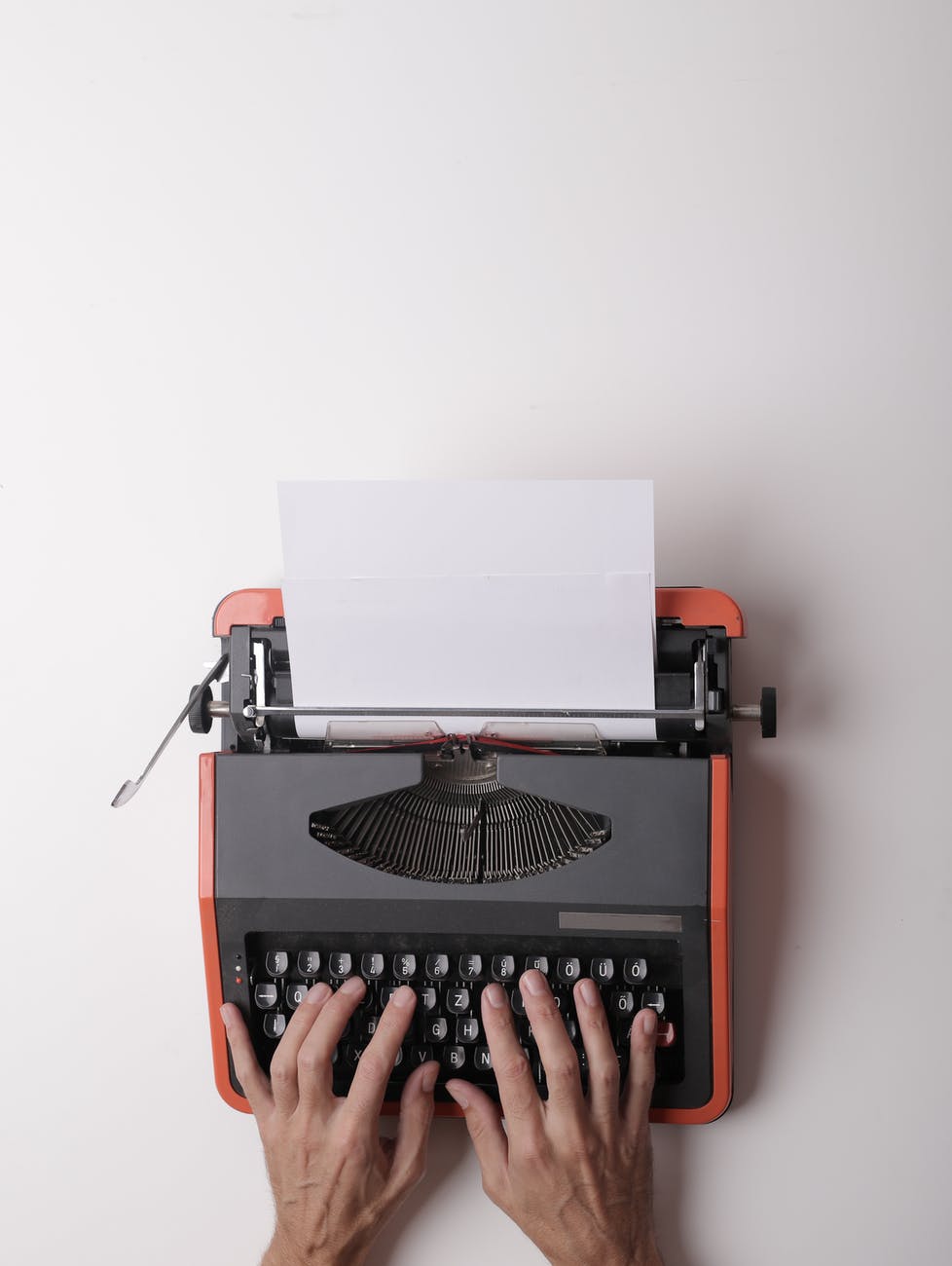
And its always about writing:
- Writing about how you feel.
- Writing about what happened and how you felt.
- Writing about someone else and how it made you feel.
Journaling, for me, is not the same as notetaking. And it’s not the same as Taskwriting, but who am I to say what Journaling is.
I can’t even follow my own aims. Because in 2010 and 2011, I started out, due to my work and experiences to think and research Journaling and incorporate it into a routine.
Hearing about famous authors like Hemingway or Mark Twain who were fervent writers or should I say journalers, was also a motivation to start writing.
But then I started to use my journal for everything, for notetaking in meetings and conversations.
From there, I always mixed it up with digital Journaling. Taking out my phone, if I don’t have my other stuff with me, is life-saving. Or, I am writing on my Laptop. I write at least 20 times faster than by pen and paper and fill pages like a champion journalist.
Then there are other mediums for Journaling. I was taking photos in a digital Journal. Or voice notes.
But there is something special about the analog medium. I think it helps you not be distracted, and it helps your writing process by giving you more time to consider what you write when you write.
It’s incredibly challenging to find the right tool. So I am here to help you not make the same mistake.
Just keep one journaling app.
Tweet
No matter what, don’t change to something else. And if possible start with something free.
- Word/ Even Notepad/ or Pages on Mac
- Google Keep/ or Notes on Mac
- Something more extensive like OneNote
- Notion, which I am currently using and will use until I die – “at least that’s what I aimed for.
Really. Stop looking for the perfect app and stick to one. The advantage of having everything in one place rather than moving around and losing half of your stuff is more important.
And use Pen and paper in addition to that. The thought process is just different, and you should allow yourself to experience both.
So WHY? Why journal in the first place?
In my opinion, sorry to all those who are making journaling their life task, Journaling helps you understand yourself better and to keep the focus on the big questions, tasks and people in your life.
You are not journaling for the sake of it. Or to have the nicest journal possible. Now by all means, if that’s important to you, do it. But for everyone else especially those wanting to start out with Journaling that’s, my advice.
You journal to understand yourself better. And focus better.
If you think you just have a good memory and you will remember what’s important and how you felt, you are mistaken. Your mind is one delusional friend of yours who is constantly making sense of the world and who keeps feeding you all kinds of stories. By Journaling, you will trick your little friend, especially in the long term, because your memory does not really work well. Your memory only retains big, bold things, dangerous things and just bins the other stuff. Journaling also helps you rediscover how you thought and why you did something in that specific why.
3 Journaling Methods
Now that we know why we journal, we can talk about the HOW, the method. And I just have three tips:
- Bullet Journal – is an easy system of how to structure your Journaling by year, month and day. The drawback is, that it’s not really encouraging creative writing and daydreaming.
- The 5 Minute Journal. That’s a great way to start. The 5 Minutes Journal has a clear structure of what your daily journal could look like.
- I am grateful for
- What would make today great
- Daily affirmation
- Three things that happened today
- How could I have made today even better
- Just write. And this method only needs you to schedule a specific time. Best with a nice notebook and Pen. Something from Moleskin or Paperblanks.
Let me know your favourite tips on journaling? What’s your preferred medium and how do you journal?
 Peter Demuth
Hi Peter, thank you for your article. I liked your tipps – clear and direct to topic. You gave me some ideas on how to structure my journaling, but I think pen and paper is the best way to reflect and write down the events and facts of my life; better then digital, but this is my opinion.
Thank you for sharing about your experience, with me was the same, I started so many journals and end up using then to other purpose.
Keep going, AD.
LikeLike